Gut Health · Nov 11, 2026
FODMAP Diet: A Complete Beginner's Guide
Struggling with IBS? Learn how the FODMAP diet can help pinpoint food triggers and ease bloating, gas, and abdominal pain.
By Michelle Pearlman, MD, Gastroenterologist & ByteMD co-founder
What Is the FODMAP Diet?
The FODMAP diet is a specialized eating plan designed to help manage symptoms of Irritable Bowel Syndrome (IBS). FODMAP stands for:
- Fermentable
- Oligosaccharides
- Disaccharides
- Monosaccharides
- And
- Polyols
These are short-chain carbohydrates that are poorly absorbed in the gut and can cause bloating, gas, diarrhea, and abdominal pain in people with IBS.
How the FODMAP Diet Works: The Three Phases
1. Elimination Phase
Remove all high-FODMAP foods for 4–6 weeks. Common eliminations include garlic, onions, dairy, wheat, apples, and legumes.
2. Reintroduction Phase
Slowly reintroduce one FODMAP group at a time while monitoring your body's response.
3. Personalization Phase
Create a custom diet based on your tolerance to each FODMAP category.
Benefits of the FODMAP Diet
- Reduces bloating and gas
- Improves bowel habits
- Helps identify specific food triggers
- Promotes digestive peace of mind
Why the FODMAP Diet Can Be Hard to Follow
Most gastroenterologists start with a strict elimination of all high FODMAP foods—even though many of these are nutrient-rich and good for your gut microbiome. Foods like onions, garlic, legumes, and certain fruits are often excluded, making the diet hard to sustain and limiting in nutritional diversity.
Enter BYTEMD: A Smarter Way to Manage IBS
With BYTEMD, you can say goodbye to overly restrictive diets. Our app helps you:
- Track your food intake and GI symptoms
- Identify specific FODMAP triggers
- Personalize your diet without cutting out entire food groups
You get evidence-based, real-time support to manage IBS with precision, not deprivation.
Getting Started Tips
- Work with a dietitian or GI specialist
- Keep a food and symptom journal
- Use apps like BYTEMD to track patterns
- Start slow and follow the phases closely
Common High-FODMAP Foods to Avoid Initially
- Fruits: Apples, pears, watermelon, cherries, mangoes, dried fruits
- Vegetables: Onions, garlic, cauliflower, broccoli, cabbage, asparagus
- Grains & Legumes: Wheat, rye, barley, beans, lentils, chickpeas
- Dairy: Milk, soft cheeses, yogurt, ice cream
Low-FODMAP Alternatives
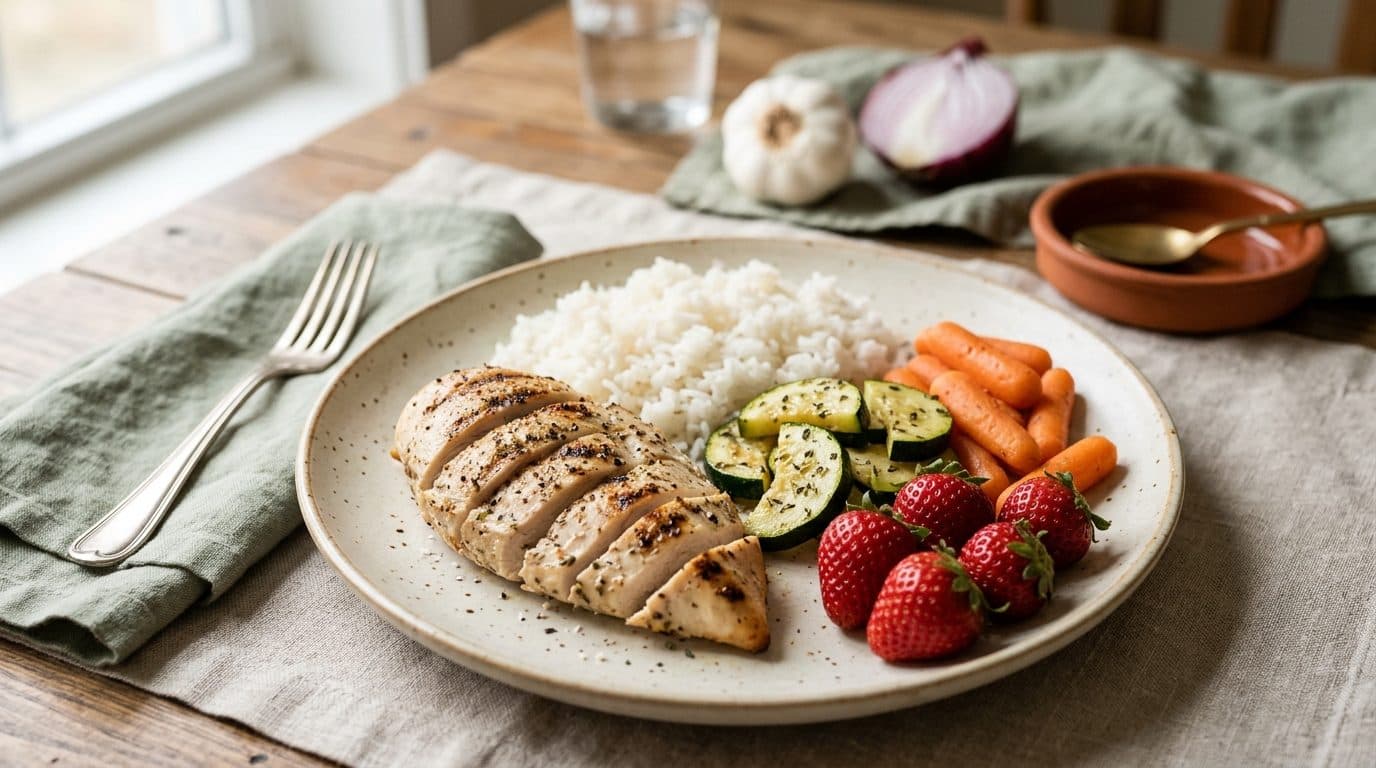
- Safe Fruits: Bananas, blueberries, oranges, grapes, strawberries, kiwi
- Safe Vegetables: Carrots, spinach, bell peppers, tomatoes, zucchini, potatoes
- Safe Grains: Rice, quinoa, oats, gluten-free bread, corn
- Safe Proteins: Chicken, fish, eggs, tofu, lactose-free dairy
Sample Day on Low-FODMAP Diet
- Breakfast: Gluten-free oatmeal with sliced banana and a handful of blueberries
- Lunch: Grilled chicken salad with spinach, carrots, bell peppers, and olive oil dressing
- Dinner: Baked salmon with rice and steamed zucchini
- Snacks: Rice cakes with peanut butter, or a small portion of nuts
Important Considerations
Work with Professionals
The FODMAP diet is complex and should ideally be supervised by a registered dietitian who specializes in digestive health. They can help ensure you're getting adequate nutrition while following the protocol.
Temporary Restriction
Remember, the elimination phase is temporary. The goal is to identify your personal triggers so you can eventually enjoy a varied diet that works for your body.
Individual Variation
Everyone's tolerance is different. Some people may be sensitive to certain FODMAPs but not others, which is why the systematic reintroduction phase is so important.
Conclusion
The FODMAP diet isn't forever—it's a guided journey toward understanding your body and building a diet that supports your gut. With the right strategy and tools, you can take control of IBS and enjoy food without fear.
While the elimination phase can feel restrictive, remember that it's a diagnostic tool to help identify your specific triggers. With patience and the right support system, including apps like BYTEMD, you can successfully navigate this process and develop a personalized eating plan that allows you to feel your best.