Gut Health · Nov 11, 2026
Understanding Gastroparesis: A Comprehensive Guide to Diet and Treatment
Learn how dietary changes, meal timing, and personalized nutrition can help manage gastroparesis symptoms and improve digestion.
By Michelle Pearlman, MD, Gastroenterologist & ByteMD co-founder
Gastroparesis is more common than most people realize — yet often misunderstood.
It’s a chronic condition where the stomach takes too long to empty food into the small intestine without any blockage.
If you’ve ever felt full after just a few bites, experienced persistent bloating, or had nausea after meals that seem to linger, your stomach’s emptying process may not be working as it should.
The good news? With the right nutrition and daily habits, many people can reduce symptoms and feel more in control of their digestion.
What Exactly Is Gastroparesis?
Under normal circumstances, your stomach acts like a smart blender — churning, grinding, and moving food steadily into your small intestine.
In gastroparesis, this movement slows down or stops, leading to delayed emptying.
Common causes include:
- Diabetes
- Post-surgical changes
- Neurological disorders
- Or it may occur without a known cause (idiopathic)
Symptoms vary but often include nausea, vomiting, early fullness, bloating, and abdominal pain. Because these symptoms overlap with other GI issues, gastroparesis can be difficult to diagnose — and even harder to manage without the right plan.
Why It Happens: The Science Behind the Symptoms
Gastroparesis isn’t just about a “slow stomach.” Multiple mechanisms may be involved:
- Impaired fundic relaxation: the upper stomach doesn’t relax enough to accommodate food.
- Weak gastric rhythm: the stomach’s electrical rhythm is irregular (too slow or too fast).
- Reduced antral contractions: the grinding part of the stomach isn’t working efficiently.
- Pyloric valve dysfunction: the opening to the small intestine isn’t coordinating well.
- Vagus nerve damage: this nerve, which controls stomach muscles, may not be sending the right signals.
Because several abnormalities can overlap, each person’s case — and therefore, each treatment plan — looks different.
Nutrition: The Cornerstone of Management
There’s no cure-all pill for gastroparesis, but food can be powerful medicine.
Adjusting your diet composition, texture, and timing can dramatically improve how you feel day-to-day.
Focus on Nutrient-Dense, Soft Foods
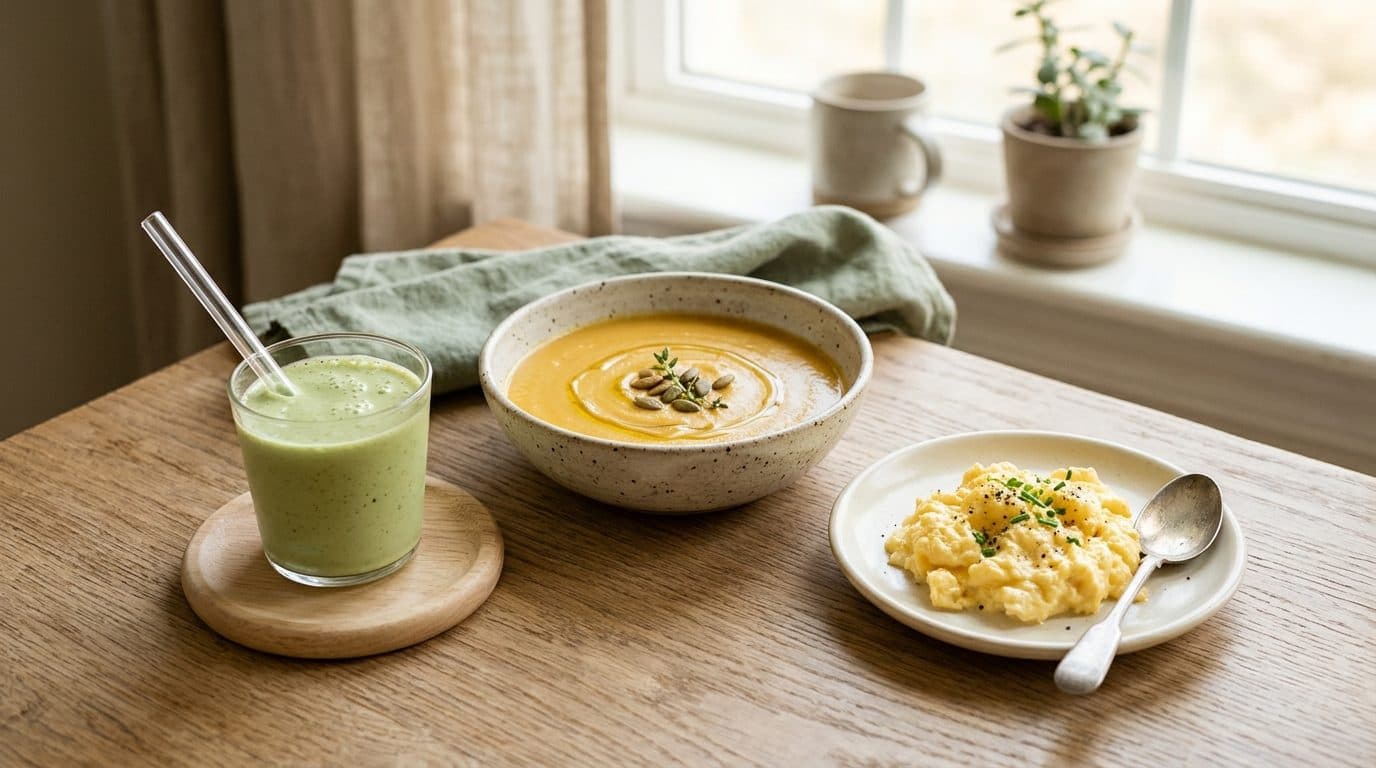
Aim for 5+ servings of fruits and vegetables daily, but modify texture: blend fruits into smoothies (bananas, berries, mangoes), or puree vegetables into soups. Cooked and softened options like zucchini, sweet potatoes, spinach, and carrots are gentler on digestion.
Cook or stew fruits like pears, apples, and peaches to make them easier to tolerate.
Protein Matters
Aim for 50–70 grams of lean protein per day. Choose chicken, fish, eggs, Greek yogurt, or cottage cheese. Plant-based eaters can include tofu, soybeans, nut butters, or pea protein shakes.
Choose Easier-to-Digest Grains
Oatmeal, quinoa, rice, or thin pasta digest better than dense breads. Whole-grain or sourdough toast topped with nut butter or avocado adds nutrients and calories without discomfort.
Include Healthy Fats — in Moderation
Fats slow digestion but are essential for health. Use avocado, olive oil, or nut butters rather than heavy creams or fried foods.
How You Eat Is Just as Important
Changing how you eat can help your stomach work with you — not against you.
- Eat small, frequent meals (4–6 per day).
- Eat solids earlier in the day, when gastric motility tends to be better.
- Walk for 10–15 minutes after meals to promote emptying.
- Avoid eating right before bed — stop 2–3 hours before sleep.
- Use shakes strategically — liquid nutrition often empties faster and helps you meet calorie and protein goals on tough days.
The Power of Particle Size
Here’s a fun fact backed by research:
The smaller the food particles, the faster they leave your stomach.
A 20-week study found that patients who ate smaller-particle meals (pureed or finely ground) had significantly better gastric emptying and fewer symptoms.
Simple steps like blending, pureeing, or chewing thoroughly can make a meaningful difference in symptom control.
Personalization Is Everything
Gastroparesis isn’t a one-size-fits-all diagnosis.
What works for one person may worsen symptoms for another. That’s why individualized nutrition planning — ideally with a registered dietitian — is so important.
A personalized plan helps identify trigger foods, tolerance patterns, and meal structures that keep your digestion as smooth as possible while preventing nutrient deficiencies.
Looking Ahead
Emerging research is exploring new treatments, from medications that improve motility to endoscopic procedures targeting the pyloric valve.
But even as science advances, the foundation remains nutrition and lifestyle — supported by data-driven tracking tools.
How ByteMD Can Help
The ByteMD app was designed to make complex conditions like gastroparesis easier to manage.
Within the app, you can:
- Track your meals, textures, and symptoms in real time
- Identify which foods or patterns trigger flares
- Log your protein, fiber, and hydration goals
- Share your insights directly with your healthcare provider
ByteMD learns from your data to give personalized feedback and actionable tips — helping you feel more empowered with every bite.
The Bottom Line
Gastroparesis can be frustrating — but it’s manageable.
With the right mix of dietary modifications, consistent tracking, and professional guidance, many people experience significant relief.
It’s not just about what you eat — it’s about learning how your body responds and making adjustments that support long-term health.