Gut Health · Nov 11, 2026
Chronic Diarrhea: What It Means, Why It Happens, and How to Get Relief
Learn what causes chronic diarrhea, how to spot triggers, and discover practical diet and hydration tips to help restore gut balance.
By Michelle Pearlman, MD, Gastroenterologist & ByteMD co-founder
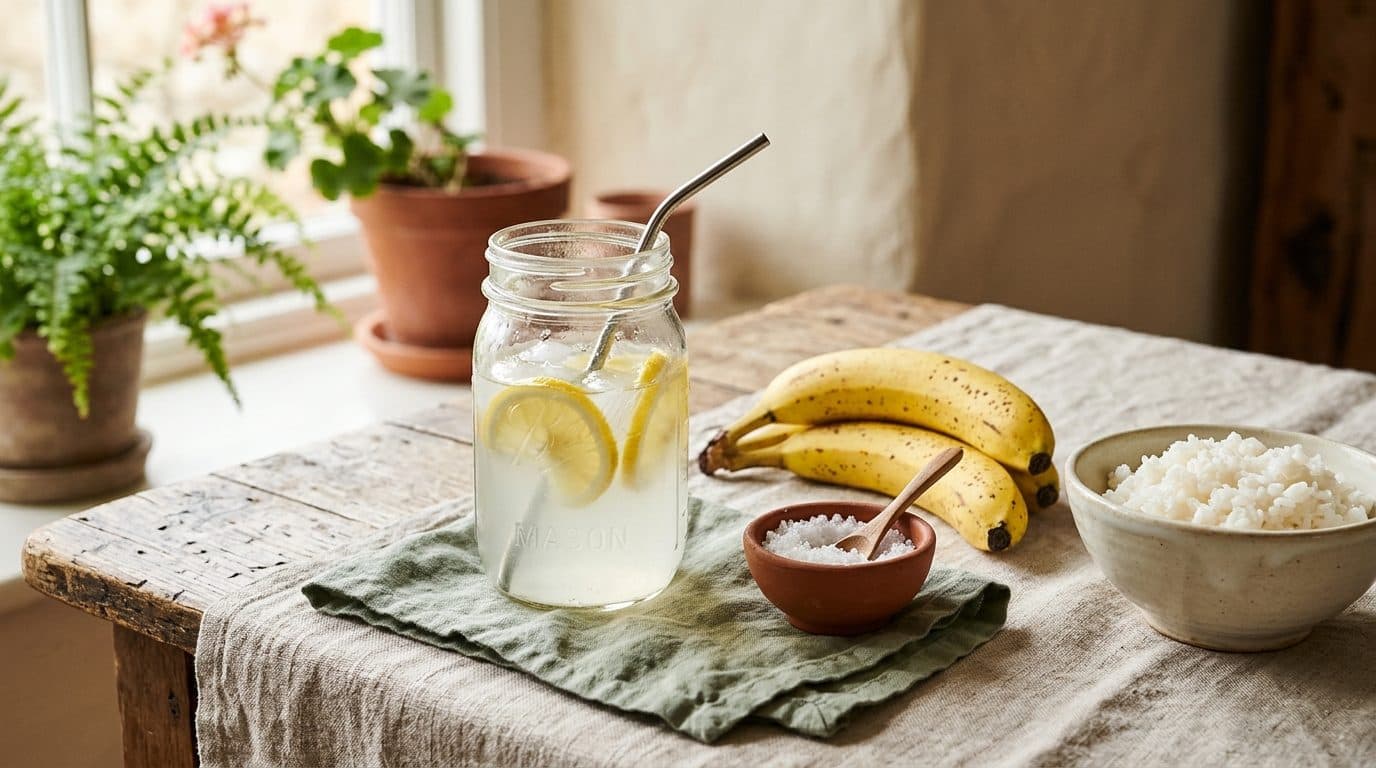
Diarrhea every now and then is a fact of life. But when loose stools stick around for weeks, it's time to dig deeper. Chronic diarrhea isn't just uncomfortable—it could be a sign of something more serious.
This guide covers everything you need to know, from common causes to effective lifestyle strategies that can help bring your gut back into balance.
What Is Chronic Diarrhea?
Chronic diarrhea is defined as:
- Loose or watery stools
- Occurring at least 3 times a day
- Persisting for more than 4 weeks
This is different from acute diarrhea, which typically resolves in a few days and is often caused by infection or foodborne illness.
How Common Is It?
- Affects 5%–10% of the population at any given time
- More prevalent in people with IBS, inflammatory bowel disease, or food intolerances
- Common in both children and adults
What Causes Chronic Diarrhea?
Common Triggers
- Lactose or fructose intolerance
- Caffeine or artificial sweeteners
- Excessive alcohol
- Certain medications (antibiotics, metformin, antacids with magnesium)
- High-fat or spicy foods
Medical Conditions to Consider
- Irritable Bowel Syndrome with Diarrhea (IBS-D)
- Celiac disease
- Crohn's disease or Ulcerative colitis
- Small intestinal bacterial overgrowth (SIBO)
- Hyperthyroidism
- Microscopic colitis
Red Flags (When to See a Doctor)
Don't ignore chronic diarrhea if you experience:
- Blood or mucus in your stool
- Unexplained weight loss
- Severe abdominal pain
- Fever
- Nocturnal diarrhea
- A family history of colorectal cancer or IBD
These may signal a more serious digestive issue that needs medical attention.
Track Your Diet and Symptoms
Want to identify your diarrhea triggers? Start with a daily tracker that logs:
- Everything you eat and drink
- Time and type of bowel movements
- Severity of symptoms (bloating, urgency, pain)
- Stress levels, sleep, and activity
Tracking helps spot patterns like food intolerances or stress-related flares. Over time, this can guide your healthcare provider in tailoring an effective treatment plan.
Try using: A paper journal or the BYTEMD app.
Dietary Strategies to Calm the Gut
1. Try a Low FODMAP Diet (Short-Term)
FODMAPs are certain carbohydrates that can trigger diarrhea in sensitive people. These include:
- Lactose (milk)
- Fructose (honey, apples)
- Sorbitol (sugar-free gum)
- Fructans (wheat, onions)
- Galactans (beans)
A low-FODMAP elimination phase, followed by systematic reintroduction, can help identify triggers.
Important: This should be done with a registered dietitian to avoid nutritional deficiencies.
2. Balance Fiber Intake
- Soluble fiber (e.g., oats, psyllium, bananas) can help bulk up stools
- Insoluble fiber (e.g., wheat bran, raw veggies) may worsen diarrhea in some cases
- Aim for 20–30g of fiber/day, adjusting based on symptoms
3. Hydrate with Electrolytes
Chronic diarrhea can cause dehydration and electrolyte imbalances. Rehydrate with:
- Water
- Oral rehydration solutions
- Coconut water
- Broth-based soups
Frequent diarrhea can lead to dehydration and electrolyte loss. Rehydrating with water alone isn't always enough—you also need sodium and glucose to help absorption. You can use commercial products like Pedialyte® or make your own at home using common kitchen ingredients.
Homemade Oral Rehydration Recipes
Here are some simple, effective recipes based on clinical nutrition guidance:
Basic Water-Based ORS
- 4 cups of water
- ½ teaspoon table salt
- 2 tablespoons sugar
- Optional: Crystal Light® or lemon for flavor
Other ORS Options:
| Base Beverage | Ingredients |
|---|---|
| Gatorade® G2 | 4 cups G2 + ½ tsp salt (or try ¼ tsp if too salty) |
| Chicken Broth | Option 1: 4 cups water, 1 broth cube, 2 tbsp sugar Option 2: 2 cups broth + 2 cups water + 2 tbsp sugar |
| Tomato Juice | 2½ cups tomato juice + 1½ cups water |
| Cranberry Juice | ¾ cup juice + 3¼ cups water + ½ tsp salt |
| Rice Cereal Mix | ½ cup dry baby rice cereal + 2 cups water + ¼ tsp salt |
Note: Refrigerate all solutions. They should be drinkable, not too thick.
Final Tip
"Track your symptoms. Drink smart. Learn your body."
Combining habitual symptom tracking with electrolyte-smart hydration gives your gut the best chance at recovery. Whether you're managing IBS, food intolerances, or unknown causes of chronic diarrhea—these tools empower you with insight and support healing.