Weight / GLP-1 · Nov 11, 2026
Keeping Your Muscles Strong: A Guide for Older Adults on GLP-1 Medications
Learn how older adults on GLP-1 meds can prevent muscle loss with practical tips on protein, exercise, and expert advice. Stay strong and healthy with simple strategies tailored for you.
By Michelle Pearlman, MD, Gastroenterologist & ByteMD co-founder
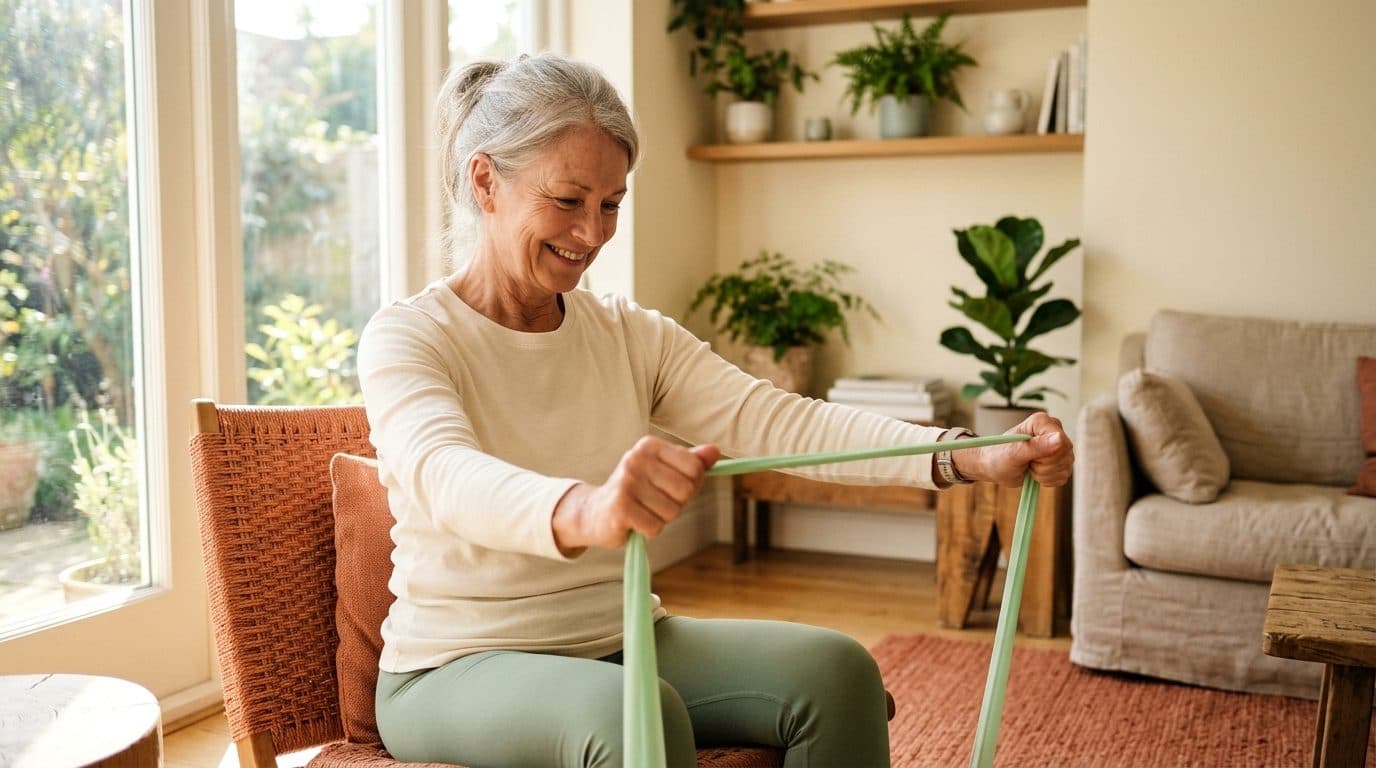
If you're over 65 and taking GLP-1 medications like Ozempic, Wegovy, or Mounjaro, keeping your muscles strong becomes even more important. This guide offers practical, easy-to-follow advice for maintaining muscle health as you age.
What You Can Do: Eating Right to Keep Your Muscles
You Need More Protein Than You Might Think
If you're over 65, you need more protein than younger adults to keep your muscles strong. Experts recommend eating 1.2 to 1.5 grams of protein per kilogram of body weight every day. That's a lot more than the standard advice for younger people.
For example, if you weigh 150 pounds (about 68 kilograms), you should aim for around 80 to 100 grams of protein daily. That's roughly 3–4 servings of high-protein foods.
Why Leucine Matters
One specific part of protein, called leucine, is especially important for older adults. You can get leucine from foods like eggs, milk, chicken, and beans. Aiming for around 3 grams of leucine each day helps your body build muscle better.
Common Challenges—and How to Beat Them
Eating Can Be Tough Sometimes
As you get older, it's common to face problems that make eating enough protein hard. These might include:
- Changes in taste or appetite
- Trouble chewing or swallowing
- Feeling full quickly (especially on GLP-1 medications)
- Depression or loneliness
- Difficulty buying or cooking healthy food
Easy Solutions to Try
- Eat small meals more often, rather than three big ones.
- Add nutrient-rich snacks like yogurt, cheese, eggs, or nuts between meals.
- Use protein shakes if you're not getting enough from food. They're easy to digest and can make a big difference.
Note: Protein shakes haven't been fully studied yet in people using GLP-1 medications, but they are commonly used to help older adults get stronger.
Moving Your Body Is Just as Important
Strength Training = Stronger Muscles
To fight sarcopenia, resistance exercise (like lifting weights or using resistance bands) is key. Aim for at least three times a week. It doesn't have to be intense—you just need to challenge your muscles safely.
Consider Getting Help
If you're not sure where to start, a physical therapist or exercise specialist can help you learn how to move safely. They can also create a routine that fits your abilities and health status.
Better Together: Protein + Exercise
Eating more protein and exercising at the same time gives you the best results. Try to eat a protein-rich meal or shake shortly after your workout to help your muscles rebuild stronger.
Talk to Your Doctor or Dietitian
Don't try to manage this on your own. Your doctor or dietitian can:
- Help you figure out how much protein you need
- Recommend safe exercises
- Track your progress with simple tests like grip strength or walking speed
If you're taking GLP-1 medications, this becomes even more important. Your appetite may be lower, and you'll need to be more intentional about keeping your muscles healthy.
Stay Ahead with Smart Choices
Even small changes can make a big impact. Here's a quick recap of what you can do:
| What to Do | Why It Matters |
|---|---|
| Eat more protein (1.2–1.5 g/kg) | Helps you keep muscle and strength |
| Add leucine-rich foods | Boosts your body's muscle-making ability |
| Use shakes if needed | Fills in nutrition gaps |
| Exercise 3x/week | Builds muscle and balance |
| Combine food + movement | Works better than doing either alone |
| Talk to your care team | Personalized advice and safer results |
FAQs About Sarcopenia Mitigation in Older Adults
1. What is sarcopenia and why is it a concern in the elderly?
Sarcopenia is the loss of muscle mass and strength with age, increasing fall risk, disability, and mortality.
2. How does GLP-1 RA therapy affect muscle mass?
It can cause appetite suppression, which may unintentionally reduce protein intake and accelerate muscle loss.
3. What kind of protein is best for older adults?
High-quality proteins rich in leucine, like whey, meat, eggs, and soy, are ideal.
4. Can exercise really reverse sarcopenia?
Yes, resistance training is proven to increase muscle mass and function in seniors.
5. What supplements help older adults meet protein needs?
ONS shakes or protein powders are effective when regular meals aren't sufficient.
6. Are older adults at risk of falling due to sarcopenia?
Yes, sarcopenia significantly increases fall risk—especially in those with sarcopenic obesity.
Conclusion
Sarcopenia mitigation in high-risk patient populations—especially older adults—requires a multidisciplinary, personalized, and proactive approach. By combining optimized nutrition, physical activity, and close monitoring, healthcare providers can help preserve muscle function and quality of life in aging patients, even amidst the challenges of chronic disease and GLP-1 RA therapy.
Track Your Health with ByteMD
Want to make things even easier? The ByteMD app helps you track your protein intake, monitor muscle health, and stay on top of your goals—especially if you're using GLP-1 medications.