Weight / GLP-1 · Nov 11, 2026
Beyond the Injection: Nutrition Strategies to Minimize GI Side Effects and Preserve Muscle on GLP-1 Medications
Discover expert nutrition tips to reduce GI side effects and protect muscle while using GLP-1 medications. Learn how meal timing, protein, hydration, and exercise can help you feel your best.
By Michelle Pearlman, MD, Gastroenterologist & ByteMD co-founder
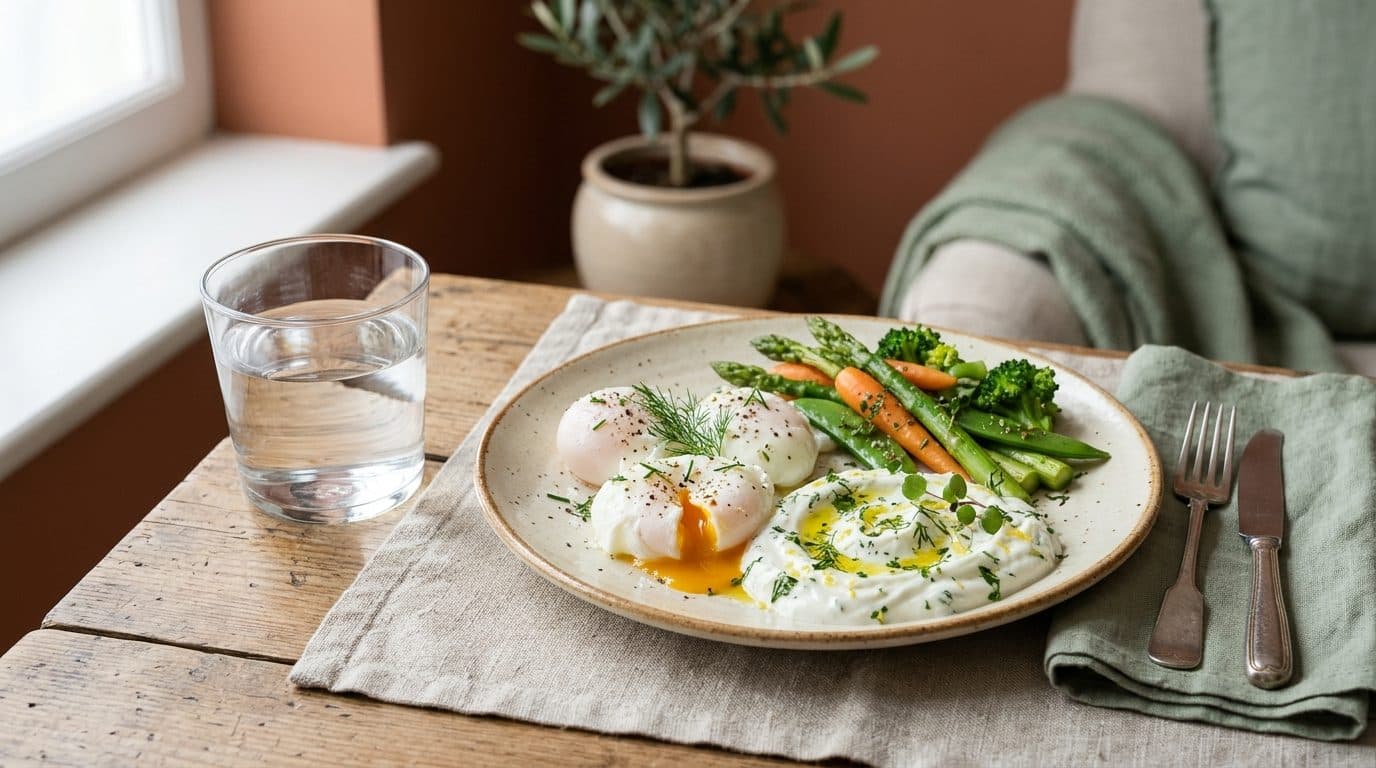
Understanding GLP-1 Medications and Their Impact on Digestion
GLP-1 receptor agonists, including Ozempic, Wegovy, and Mounjaro, have transformed weight management and diabetes care. They mimic the body's glucagon-like peptide-1 hormone, slowing gastric emptying and reducing appetite. While highly effective, these medications often bring gastrointestinal (GI) side effects—and may cause muscle loss with rapid weight reduction.
Common GI Side Effects and Muscle Concerns with GLP-1 Therapy
Users commonly report:
- Nausea
- Vomiting
- Bloating
- Constipation
- Early satiety
Additionally, with reduced appetite and caloric intake, the body may begin losing lean muscle mass—especially without a protein-focused diet or strength training.
Why Nutrition Matters with GLP-1 Medications
Because GLP-1 meds slow digestion, food remains in the stomach longer. This alters nutrient absorption and increases risk of discomfort. Proper nutrition not only reduces GI symptoms but also:
- Prevents malnutrition
- Preserves muscle mass
- Improves overall well-being
Key Nutrition Strategies to Reduce GI Discomfort
To ease common side effects:
- Eat small, frequent meals (4–6 per day)
- Chew thoroughly to minimize digestive workload
- Avoid high-fat, spicy, or fried foods
- Eat slowly and mindfully to avoid overfilling a delayed stomach
Hydration and Fiber Balance
Hydration is crucial for regulating digestion and minimizing constipation.
- Aim for 8–10 cups of water daily
- Choose soluble fiber (oats, bananas, sweet potatoes) over rough insoluble fiber during sensitive periods
- Gradually increase fiber to prevent bloating
Protein Prioritization for Muscle Preservation
GLP-1 medications reduce appetite, but muscle needs remain constant.
How much? Aim for 1.2–1.6 grams of protein per kg of body weight
Best sources:
- Eggs, Greek yogurt, lean poultry
- Fish, tofu, cottage cheese
- Protein shakes or bars (when solid meals are hard)
Managing Appetite Reduction Without Sacrificing Nutrition
Even with reduced hunger, ensure you:
- Choose nutrient-dense meals: avocado, nuts, lean proteins, leafy greens
- Blend meals into smoothies with protein, greens, and fruit
- Use soft proteins like eggs and fish on sensitive days
Foods and Habits to Avoid
To prevent aggravating symptoms:
- Say no to carbonated beverages
- Limit alcohol and caffeine
- Don't eat when you're not hungry
- Avoid greasy, fried, or heavy meals
Timing Meals Around Injections
Some find symptoms worsen on injection day. On those days:
- Eat light, bland foods like broth, toast, or rice
- Avoid trigger foods (acidic, spicy)
- Prepare easy-to-digest meals like oatmeal, eggs, or smoothies
Supplements That Can Support Gut and Muscle Health
Not eating enough? Consider:
- Whey protein or plant-based powders
- Magnesium (for constipation relief)
- Probiotics (for gut health)
- Leucine or BCAAs (for muscle support)
- A daily multivitamin to fill nutritional gaps
Always check with your healthcare provider before starting new supplements.
Exercise and Movement to Support Muscle Retention
Exercise is key—even if weight loss is drug-assisted.
- Strength training (2–3x/week): weights, resistance bands
- Walking or light cardio after meals aids digestion
- Stretching and yoga reduce GI tension and promote motility
Monitoring Progress and Adjusting Nutrition Over Time
Track your:
- Symptoms (bloating, nausea)
- Weight and muscle mass
- Macronutrient intake
Tools like BYTEMD can help log meals, identify patterns, and suggest personalized adjustments.
FAQs About Nutrition and GLP-1 Medications
1. Should I eat if I'm not hungry on GLP-1s?
Yes, especially protein-rich, nutrient-dense foods. Even small portions matter.
2. How do I prevent constipation on GLP-1 therapy?
Stay hydrated, eat soluble fiber, and stay active.
3. Can I lose muscle even if I'm not working out?
Yes. Without adequate protein and resistance training, muscle loss is likely.
4. What's the best meal right after a GLP-1 injection?
Try easy-to-digest foods like scrambled eggs, oatmeal, or broth-based soups.
5. Should I take protein shakes?
Absolutely, if whole meals are tough. Look for ones with 20–30g protein and minimal sugar.
6. Can I take supplements with these medications?
Yes, but check with your provider—especially for magnesium or iron.
Conclusion: Fueling the Body While Maximizing Benefits of GLP-1
GLP-1 medications can be powerful allies for health—but only if nutrition supports your journey. With the right balance of protein, hydration, mindful eating, and movement, you can reduce GI discomfort and protect muscle mass. The goal isn't just weight loss—it's sustainable, strong, and healthy living.
Key Takeaways
- Eat smaller meals frequently to work with delayed gastric emptying
- Prioritize protein at every meal to preserve muscle mass
- Stay hydrated and choose soluble fiber for digestive comfort
- Avoid carbonated beverages and high-fat foods during sensitive periods
- Include strength training to maintain lean muscle while losing weight
- Monitor symptoms and adjust nutrition strategies as needed