Gut Health · Nov 11, 2026
Probiotics vs Prebiotics: What's the Difference?
Confused about probiotics and prebiotics? Learn how both support your gut health and discover easy ways to add them to your diet.
By Michelle Pearlman, MD, Gastroenterologist & ByteMD co-founder
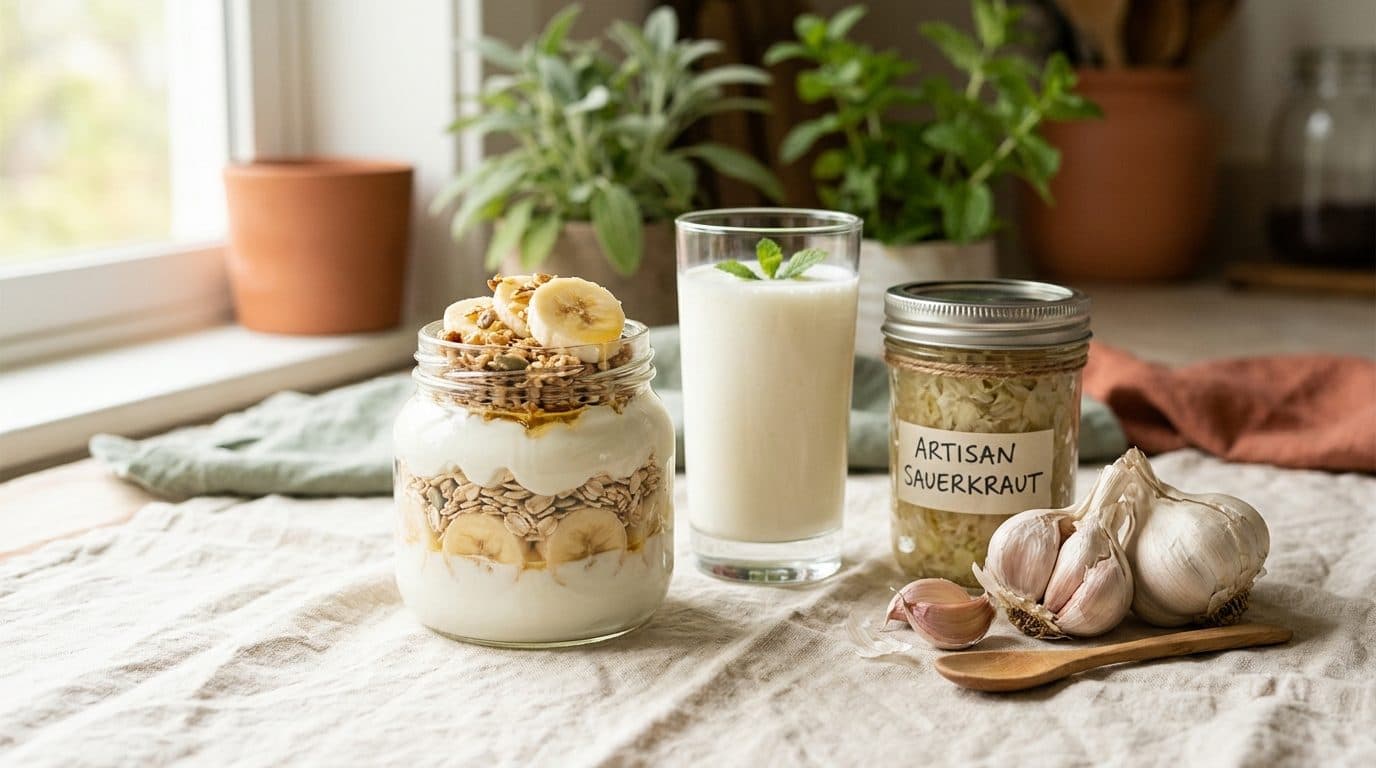
Your gut is home to trillions of microorganisms—collectively called the gut microbiome. This ecosystem plays a vital role in digestion, immunity, and even mood regulation. To support it, you need both:
- Probiotics: Live beneficial bacteria
- Prebiotics: The fuel that feeds them
Knowing the difference between the two—and how to include both—can help improve your gut health dramatically.
What Are Probiotics?
Probiotics are live, healthy bacteria that help:
- Balance your gut microbiome
- Improve digestion and nutrient absorption
- Boost immune response
- Reduce bloating and inflammation
They are especially useful after antibiotic use or when managing digestive conditions like IBS, SIBO, or leaky gut.
Common Sources of Probiotics:
- Yogurt – Choose plain, live-culture versions
- Sauerkraut – Fermented cabbage rich in Lactobacillus
- Kefir – A tangy, probiotic-rich fermented milk drink
What Are Prebiotics?
Prebiotics are non-digestible fibers that act as food for probiotics. They help good bacteria grow and thrive in your gut. They also:
- Improve gut barrier function
- Enhance calcium absorption
- Support bowel regularity
Common Sources of Prebiotics:
- Garlic – Contains inulin, a powerful prebiotic fiber
- Bananas – Especially when slightly green
- Oats – Full of beta-glucan and resistant starch
Why You Need Both
Think of it like a garden:
- Probiotics are the seeds—the good bacteria you plant
- Prebiotics are the fertilizer—what helps them grow
Together, they:
- Maintain a healthy gut lining
- Support digestion
- Protect against harmful bacteria
- Promote mental and immune health
Simple Ways to Include Both Daily
- Have a yogurt parfait with banana and oats
- Add garlic and onions to soups or stir-fries
- Sip kefir and snack on prebiotic-rich veggies like asparagus or leeks
Conclusion
Probiotics and prebiotics are your gut's best friends. Including both in your diet supports a strong, balanced microbiome, better digestion, and improved overall health. It's a simple, effective step toward long-term wellness.