Gut Health · Nov 11, 2026
5 Most Common Types of Kidney Stones and What to Eat or Avoid
Discover how targeted nutrition can help prevent kidney stones. Learn which foods to avoid and which to embrace for each stone type.
By Michelle Pearlman, MD, Gastroenterologist & ByteMD co-founder
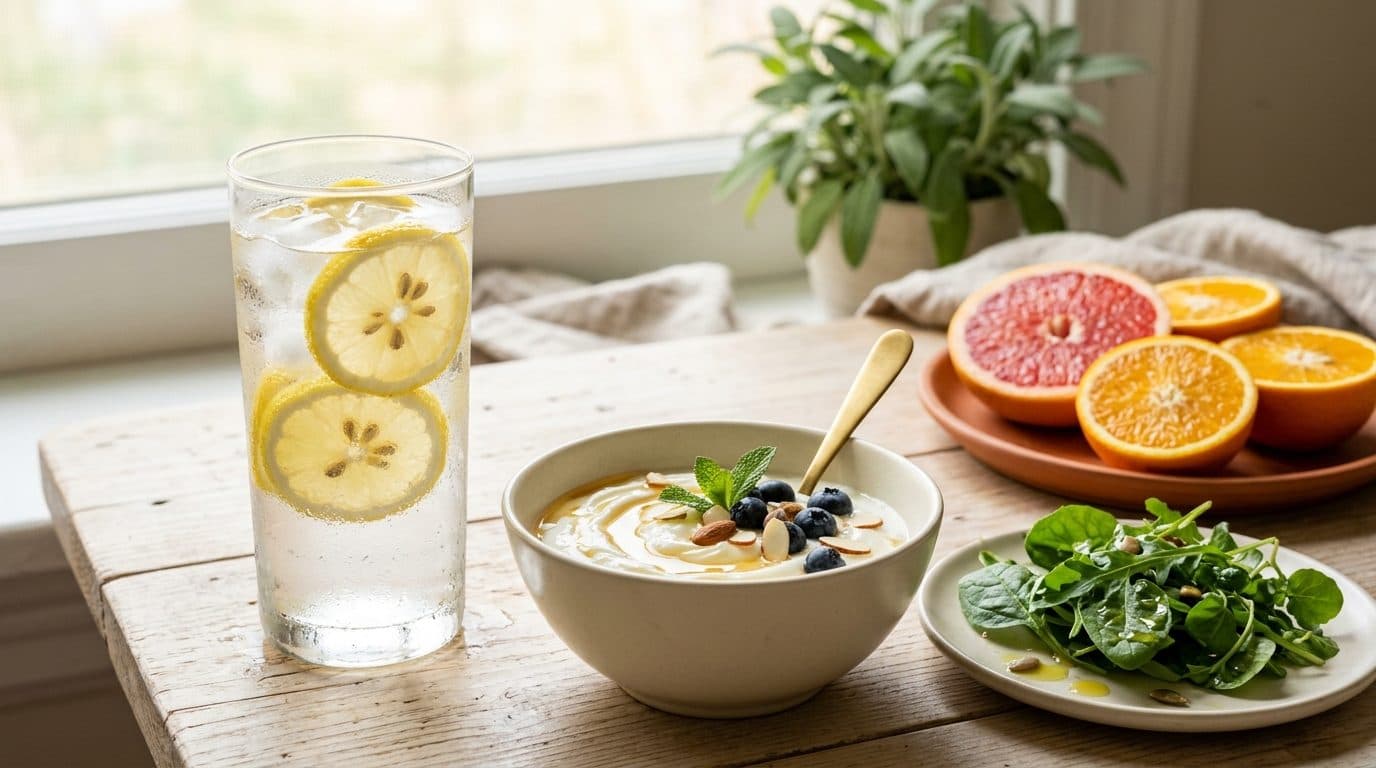
Kidney stones can cause intense pain and recurring health issues—but did you know many stones are preventable through diet and hydration? At BYTEMD, we specialize in root-cause wellness, and we've created this guide to help you navigate the five most common types of kidney stones, complete with what foods and drinks to avoid or embrace for each.
Understanding Kidney Stones: The Basics
Kidney stones are hard mineral deposits that form when certain substances in your urine—like calcium, oxalate, or uric acid—become concentrated and crystallize. They can range in size from a grain of sand to a golf ball, and they often form silently until they trigger sharp back or abdominal pain.
What Causes Kidney Stones?
A number of factors can contribute, including:
- Dehydration (leading to concentrated urine)
- High oxalate, sodium, or protein intake
- Low citrate levels
- Genetic predispositions or infections
That's why understanding what type of stone you have is key—so you can tailor your nutrition plan accordingly.
1. Calcium Oxalate Stones
Most common type (70–80%)
These form when oxalate (a compound found in many foods) binds with calcium in the urine. Risk factors include low fluid intake, high oxalate foods, and excess animal protein.
2. Uric Acid Stones
These stones form when urine is too acidic—often due to high intake of purine-rich foods like red meat and seafood. Gout and metabolic syndrome are common risk factors.
3. Struvite Stones
Struvite stones form in response to urinary tract infections (UTIs) caused by bacteria that produce ammonia. Though less about diet, preventive measures include hydration and managing infection risks.
4. Cystine Stones
A rare genetic disorder called cystinuria causes these stones. Cystine—a natural amino acid—builds up in urine and forms crystals. Extremely high fluid intake is often the best defense.
5. Calcium Phosphate Stones
These form in alkaline urine and are more common in people with metabolic disorders like renal tubular acidosis. They're chemically different from calcium oxalate stones and may respond differently to dietary strategies.
Master Table: Kidney Stone Types vs. What to Eat or Avoid
| Stone Type | Avoid These | Increase These |
|---|---|---|
| Calcium Oxalate | Spinach, beets, almonds, rhubarb, chocolate, black tea | Calcium-rich foods (yogurt), water, lemon juice, magnesium |
| Uric Acid | Red meat, organ meats, shellfish, sugary sodas, alcohol | Plant-based protein, water, citrus fruits, vegetables |
| Struvite | Foods that raise infection risk (sugary drinks, processed) | Fluids, cranberry juice (for UTI prevention), probiotic foods |
| Cystine | Sodium, animal protein | 3–4 liters of water/day, alkalinizing foods (citrus, veggies) |
| Calcium Phosphate | Animal protein, high-sodium foods | Water, whole grains, moderate calcium, slightly acidic foods |
BYTEMD's Functional Nutrition Approach to Kidney Health
At BYTEMD, we take a personalized, root-cause approach. Whether you're recovering from stones or want to prevent recurrence, we offer:
- Guidance on hydration, dietary intake, supplements, and lifestyle habits
Conclusion
Kidney stones are preventable with the right knowledge and the right plan. Whether your concern is calcium oxalate, uric acid, or a rarer type, diet plays a crucial role in prevention and healing.