Gut Health · Nov 11, 2026
Constipation 101: What It Is, Why It Happens, and How to Fix It with Food
Learn what causes constipation and discover evidence-based dietary strategies—especially fiber—to improve bowel regularity and gut health.
By Michelle Pearlman, MD, Gastroenterologist & ByteMD co-founder
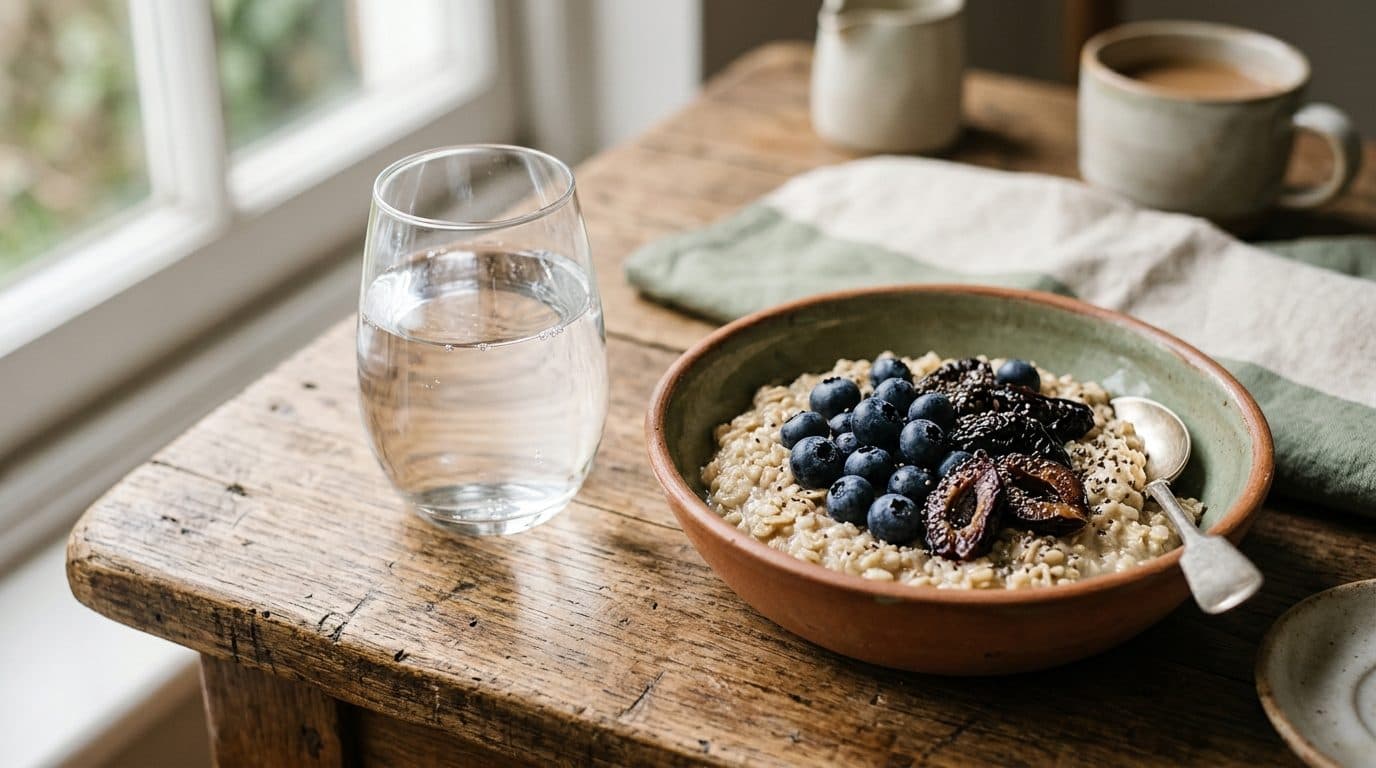
Constipation is one of the most common digestive complaints. While it may seem like a minor nuisance, chronic constipation can affect your comfort, mood, and even your long-term gut health.
Let's break down what it is, why it happens, and how you can use food—especially fiber—to get things moving again.
What Is Constipation?
Constipation isn't just about not going to the bathroom. Medically, it's defined as having:
- Fewer than 3 bowel movements per week
- Straining during stools
- Hard or lumpy stools
- A feeling of incomplete evacuation
- A sense of blockage or difficulty
These symptoms should last for at least three months to qualify as chronic idiopathic constipation (CIC).
How Common Is It?
Constipation affects:
- 14% of adults worldwide
- More women than men
- Increasingly older adults
It's also common in children and people with sedentary lifestyles or chronic medical conditions.
What Causes Constipation?
Common Triggers
- Low fiber intake
- Dehydration
- Lack of exercise
- Ignoring the urge to go
- Certain medications (like opioids, antidepressants, iron supplements)
Medical Conditions to Rule Out
Some cases of constipation are due to underlying problems. These include:
- Irritable Bowel Syndrome (IBS-C)
- Diabetes
- Hypothyroidism
- Parkinson's disease
- Colon cancer
- Pelvic floor dysfunction
Red Flags (When to See a Doctor)
If you notice any of the following along with constipation, see your doctor immediately:
- Rectal bleeding
- Unintentional weight loss
- Anemia
- Persistent pain
- Family history of colorectal cancer
- Sudden change in bowel habits in people over 50
Track Your Diet and Habits
"What gets measured gets managed." Keeping a daily log of your food, water intake, physical activity, and bowel movements can help uncover patterns and identify triggers.
What to Track in BYTEMD:
- Meals and snacks (note fiber-rich or low-fiber foods)
- Water and other fluids
- Time and type of bowel movements
- Physical activity
- Stress levels and sleep
This practice helps you and your healthcare provider see what's helping or hindering your digestion.
Dietary Strategies That Work
The 2023 AGA/ASGE/ACG guidelines support dietary changes—especially fiber supplementation—as a first step in treating constipation.
1. Increase Dietary Fiber
Aim for 25–30 grams per day. Good sources include:
- Whole grains (brown rice, oats)
- Fruits (berries, apples with skin, bananas)
- Vegetables (broccoli, carrots, spinach)
- Legumes (lentils, beans, chickpeas)
Tip: Start slowly and drink plenty of water to avoid bloating.
2. Use the Right Fiber Supplement
According to the guidelines:
| Fiber Type | Effective? | Best For | Side Effects |
|---|---|---|---|
| Psyllium | Yes | Most people | Mild gas |
| Inulin | Not proven | Gut bacteria support | Bloating |
| Bran | Inconclusive | Some cases | May harden stool |
Psyllium is the most recommended supplement. Take with 8–10 oz of water and increase gradually.
3. Stay Hydrated
- Drink 8–10 glasses of water per day
- Hydration helps fiber swell and ease stool passage
4. Move Your Body
- Regular exercise improves bowel motility
- Walking, yoga, and stretching are especially helpful
Final Thoughts
Constipation is common but manageable. If your symptoms are mild, start with:
- A fiber-rich diet
- Tracking your habits
- Staying hydrated
- Regular movement
If problems persist or you spot red flag symptoms, talk to your healthcare provider. Remember: your gut health is a window into your overall health.