Gut Health · Nov 11, 2026
Are Food Dyes Triggering Your GI Symptoms?
Artificial food dyes may worsen digestive symptoms and are linked to neurotoxicity, especially in sensitive people and children. Learn how to spot dyes and choose safer, dye-free snacks for gut and brain health.
By Michelle Pearlman, MD, Gastroenterologist & ByteMD co-founder
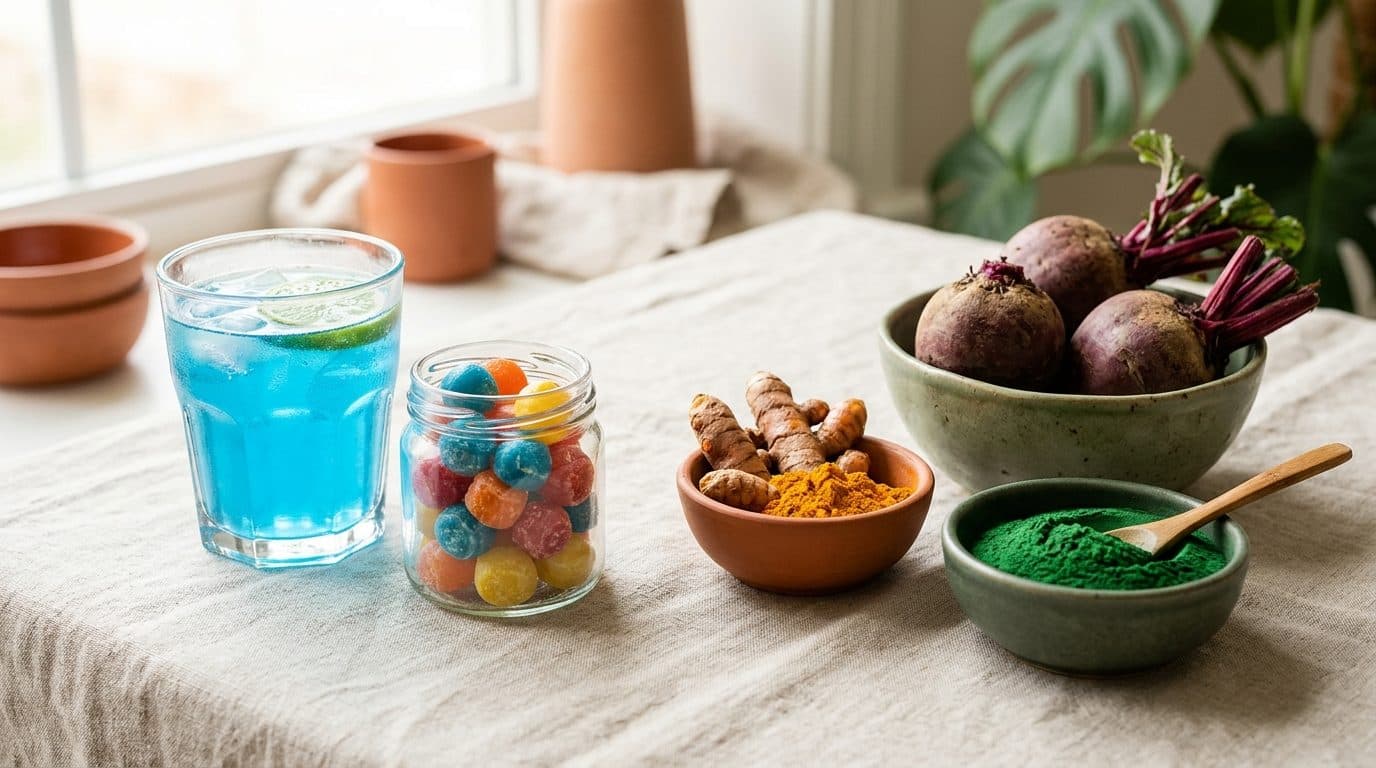
Food products often incorporate diverse colorants, either natural or synthetic, to enhance their visual appeal and restore appearance altered during production. However, natural colorants are generally unstable and degrade under processing conditions.
Hence, the food industry heavily relies on synthetic dyes due to their enhanced stability and cost-effectiveness.
The Science Behind Synthetic Food Dyes
Synthetic food dyes are systematically categorized based on chemical structure—azo, xanthene, triphenylmethane, indigoid, and quinoline dyes—each with unique properties that influence their stability and biological effects. Azo dyes are the most widely used, making up about 65% of synthetic dyes in the food sector.
Yet, these synthetic colorants come with growing health concerns. A recent review explores the neurotoxic mechanisms of six common food dyes, such as Tartrazine, Allura Red, and Brilliant Blue. These dyes are linked to oxidative stress, neurotransmitter imbalances, mitochondrial dysfunction, and inflammation—key pathways that impair brain function.
Citation: Damotharan K, Sudhakaran G, Ramu M, Krishnan M, S KRN, Arockiaraj J. Biochemical processes mediating neurotoxicity induced by synthetic food dyes: A review of current evidence. Chemosphere. 2024 Sep;364:143295. doi: 10.1016/j.chemosphere.2024.143295. PMID: 39260596.
A Hidden Risk for Children
Research has increasingly pointed to the developmental and behavioral risks of synthetic dyes, particularly in children. Studies show associations between artificial dye consumption and increased hyperactivity, impulsivity, and inattention, especially in children diagnosed with ADHD.
During early brain development—when neurological plasticity is high—children are especially vulnerable to neurotoxins. The synergistic toxicity of synthetic dyes—due to oxidative stress, neurotransmitter disruption, and cytotoxicity—raises urgent concerns about their widespread use in child-targeted foods.
- MiO Watermelon Lemonade contains Red 40, a synthetic azo dye linked to hyperactivity in children.
- Powerade contains both Yellow 5 and Red 40, common synthetic dyes in sports drinks.
Take Control: Start Tracking Your Diet & Symptoms
Actionable Step: Track your daily food intake along with GI symptoms using BYTEMD. This helps you identify patterns and potential dye-related triggers.
Include:
- All foods and beverages consumed
- Ingredient labels or E-numbers of any dyes
- Timing of intake
- Noted symptoms
Share these with your healthcare provider for better, data-driven decisions.
Make Safer Food Choices
Whenever possible, choose foods colored with natural alternatives like beet juice, turmeric, or spirulina. Reducing your intake of artificial dyes—especially azo and xanthene-based ones—can support both gut and brain health.
Beet powder: A natural, healthy alternative to synthetic red dyes
Here are some dye-free snack options—delicious, kid-friendly, and made with natural ingredients and colors. These choices help reduce exposure to synthetic dyes while keeping your snack game strong!
Whole Food-Based Snacks (Naturally Dye-Free)
These snacks are made from whole, minimally processed ingredients:
| Snack | Description |
|---|---|
| Fresh Fruit | Apples, bananas, grapes, berries—naturally sweet and colorful |
| Vegetable Sticks with Hummus | Carrots, celery, cucumber paired with hummus or guac |
| Plain or Lightly Salted Popcorn | Avoid pre-packaged versions with "cheddar" or "butter-flavored" coatings |
| Hard-Boiled Eggs | Packed with protein and dye-free |
| Nuts and Seeds | Almonds, walnuts, pumpkin seeds (unsweetened and uncolored) |
Packaged Snacks Without Artificial Dyes
Look for these brands or specific items labeled "no artificial colors":
| Brand | Dye-Free Snack Options |
|---|---|
| GoGo Squeez | Applesauce and fruit pouches (no added colors or preservatives) |
| Simple Mills | Almond flour crackers and cookies (no artificial colors or flavors) |
Sweet Treats Without Synthetic Colors
| Option | Notes |
|---|---|
| Dark Chocolate | Look for brands like Hu or Lily's—dye-free and low sugar |
| DIY Fruit Smoothies | Blend banana, berries, spinach for natural color and taste |
| Homemade Popsicles | Made with 100% fruit juice or yogurt and natural sweeteners |
Tips for Shopping Dye-Free
- Look for labels that say "no artificial colors" or "naturally colored."
- Avoid ingredients like Red 40, Yellow 5, Blue 1 (and their E-numbers like E129, E102).
- Choose certified organic snacks—they generally prohibit synthetic dyes.