Gut Health · Nov 11, 2026
Gluten Basics: What It Is and Where It Hides
Learn what gluten is, where it's found, and how to spot gluten-free foods. Find out why gluten matters for some digestive conditions.
By Michelle Pearlman, MD, Gastroenterologist & ByteMD co-founder
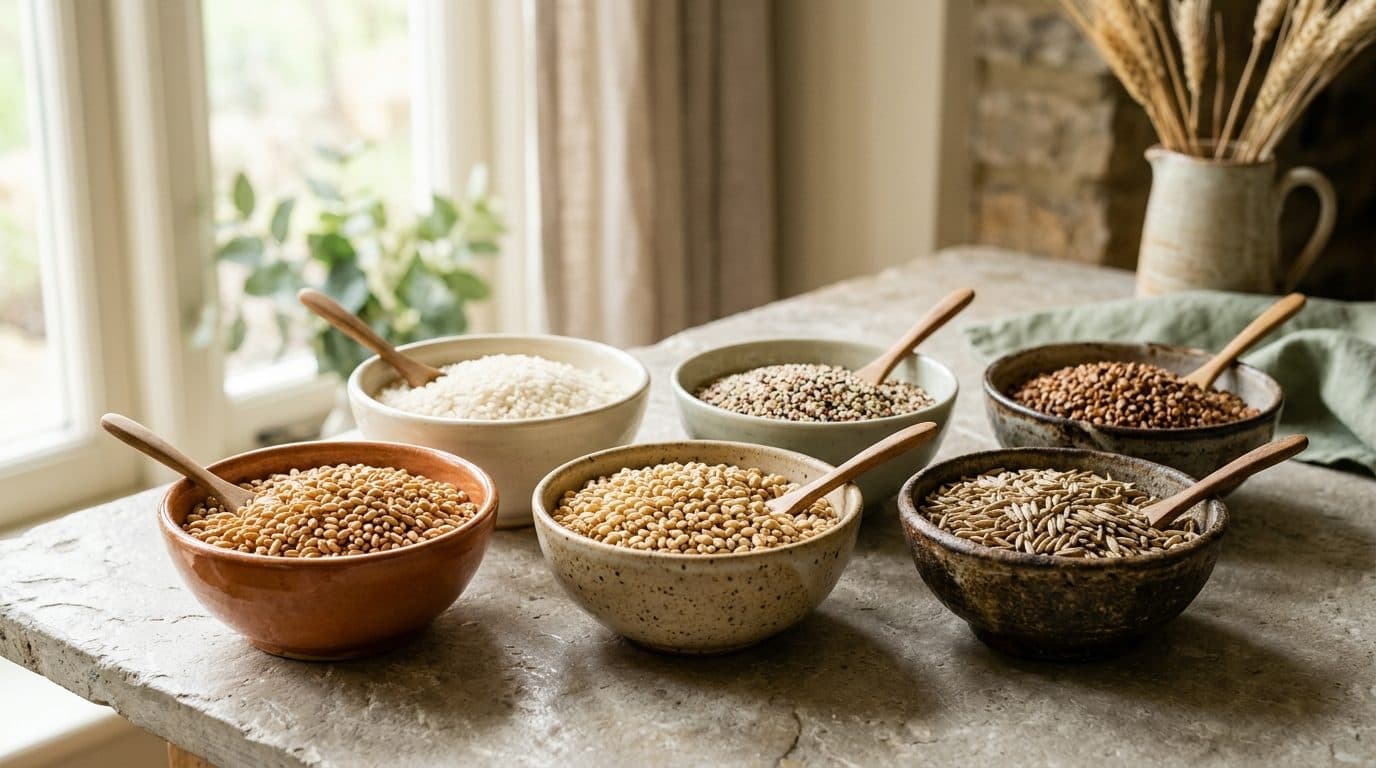
Gluten is a complex protein found primarily in wheat, barley, and rye. Its main components, gliadin and glutenin, give dough its elasticity and structure, making it essential for the texture of bread and many baked goods.
Gluten is also used as a binding and extending agent in processed foods, contributing to moisture retention and flavor.
Foods That Contain Gluten
Foods commonly containing gluten include wheat-based products (bread, pasta, cereals, crackers, cakes, cookies), barley (malt, beer), rye (rye bread, rye crackers), and many processed foods where gluten is added for texture or as a stabilizer. Oats are often contaminated with gluten unless specifically labeled gluten-free due to cross-contact during processing.
Naturally Gluten-Free Foods
Inherently gluten-free foods are those that do not naturally contain wheat, barley, or rye. These include rice, corn, potatoes, quinoa, amaranth, buckwheat, millet, sorghum, teff, fresh fruits, vegetables, legumes, nuts, seeds, eggs, dairy, and unprocessed meats and fish.
Spotting Certified Gluten-Free Products
Identifying certified gluten-free products involves looking for official gluten-free labeling. In the United States and many other countries, products labeled "gluten-free" must contain less than 20 parts per million (ppm) of gluten, as regulated by the FDA and Codex Alimentarius.
Certification seals from organizations such as the Gluten-Free Certification Organization (GFCO) or similar bodies provide additional assurance. Always check ingredient lists for hidden sources of gluten and look for a certification logo or statement on the packaging.