Gut Health · Nov 11, 2026
Understanding the Impact of Excess Salt on Your Health
Too much salt can cause thirst, bloating, and raise your blood pressure. Learn how to spot high-sodium foods and discover tasty, salt-free seasoning swaps.
By Michelle Pearlman, MD, Gastroenterologist & ByteMD co-founder
Why Sodium Matters
Sodium is an essential mineral that:
- Helps regulate fluid balance
- Supports nerve function
- Aids in muscle contraction
But like many things, too much of a good thing becomes a problem—especially in today's diet, where sodium often hides in processed and packaged foods.
Health Risks of Excess Sodium Intake
Increased Thirst
Too much sodium in your bloodstream pulls water from your cells, causing dehydration and triggering intense thirst. Your body tries to dilute the excess sodium by retaining or seeking water.
Water Retention and Bloating
To balance high sodium levels, your body retains extra fluid. This leads to:
- Puffy face
- Swollen ankles or fingers
- A bloated, heavy feeling
Elevated Blood Pressure
Excess sodium increases blood volume, which raises blood pressure. Over time, this puts strain on:
- The heart
- The arteries
- The kidneys
High sodium intake is a major contributor to hypertension, heart disease, and stroke risk.
Daily Sodium Recommendations
- Recommended limit: ≤ 2,300 mg per day (about 1 teaspoon of salt)
- Ideal limit for heart health: ~1,500 mg/day, especially if hypertensive
Types of Salt: Are Some Healthier?
| Type of Salt | Minerals | Key Notes |
|---|---|---|
| Table Salt | Iodine (added), refined sodium | Most common, highly processed |
| Sea Salt | Trace minerals | Coarser, less processed |
| Himalayan Pink Salt | Magnesium, potassium, iron (trace) | Popular for natural mineral content |
| Kosher Salt | None added | Larger flakes, easier to control pinches |
Note: All types contain similar sodium levels by weight.
High-Sodium Ultra-Processed Foods to Watch Out For
These foods are often loaded with hidden salt for preservation and flavor:
- Instant noodles and cup soups
- Canned vegetables with added salt
- Deli meats and hot dogs
- Cheese slices and processed spreads
- Frozen dinners and pizza
- Chips, pretzels, and crackers
- Store-bought sauces, dressings, and condiments
Non-Salt Seasoning Alternatives
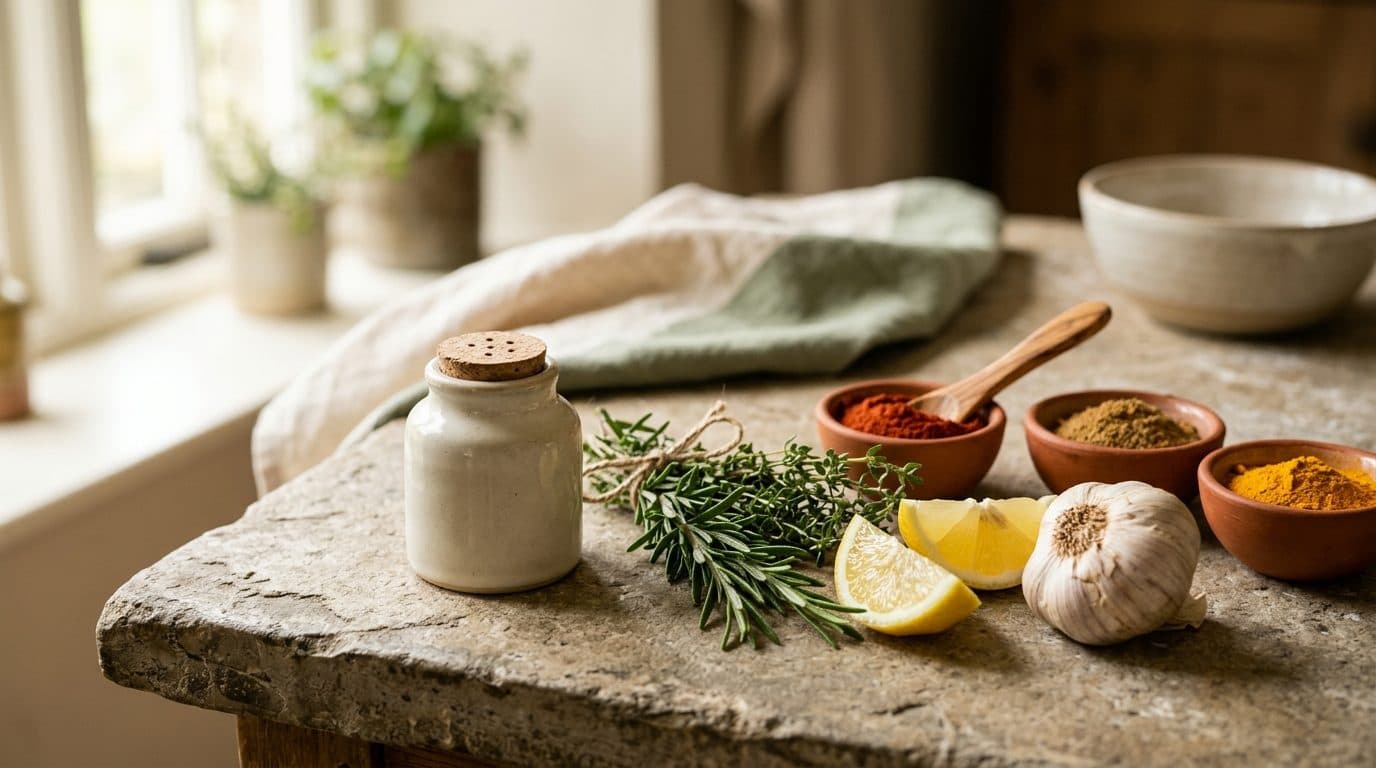
You don't have to sacrifice flavor to reduce sodium! Try these:
- Herbs: Basil, thyme, rosemary, oregano
- Spices: Paprika, cumin, coriander, turmeric
- Citrus: Lemon or lime juice brightens dishes
- Vinegars: Balsamic, apple cider, or red wine vinegar
- Garlic and onion powder (unsalted versions)
- Nutritional yeast: Adds umami and depth
Tips to Reduce Sodium Intake
- Cook more meals at home
- Rinse canned foods like beans and veggies
- Read labels and choose "low sodium" options
- Gradually reduce salt to adjust your taste buds
- Flavor with spice blends or salt-free seasonings like Mrs. Dash
Conclusion
While sodium is necessary, most of us consume far too much—often without realizing it. Cutting back on processed foods, seasoning smarter, and understanding salt's effects can help protect your heart, kidneys, and overall wellness.
Small changes lead to lasting results. Start with flavor-rich, salt-free swaps and stay hydrated—your body will thank you.