Gut Health · Jun 25, 2025
Gut-Brain Axis & Mental Health: How Your Mind Affects Your Motility
An introduction to the gut–brain connection, with a closer look at stress, sleep and the patterns in a daily symptom record.
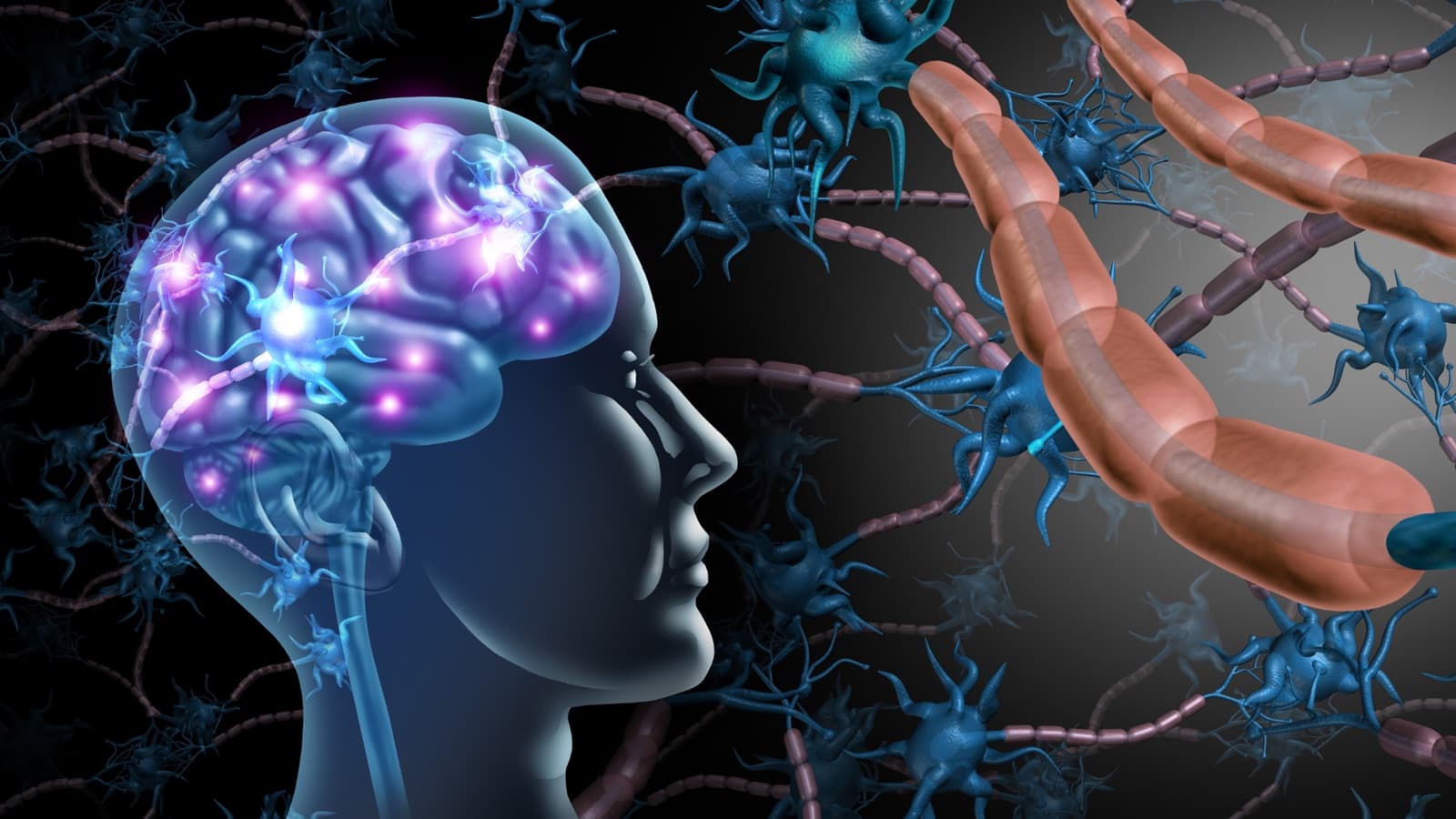
Ever had ‘butterflies’ in your stomach or urgent bathroom trips before a stressful event? That’s no coincidence. Your brain and gut are connected, and they talk more than you might think.
This powerful communication network is called the gut-brain axis, and it plays a big role in digestion, mood, and even your microbiome.
Let’s explore how stress, anxiety, and poor sleep can affect your digestive system—and how you can use BYTEMD to track symptoms and make empowered changes.
🌐 What Is the Gut-Brain Axis?
The gut-brain axis is the bi-directional communication system between your central nervous system (brain) and your enteric nervous system (gut).
This “second brain” in your gut uses:
- Vagus nerve
- Hormones and neurotransmitters
- Immune signaling
- Microbiome interactions
It affects how fast food moves through your gut (motility), how you absorb nutrients, and how you respond to stress.
😟 How Stress Impacts Your Gut
When you’re anxious or under pressure, your body goes into “fight-or-flight” mode, triggering:
- Reduced blood flow to digestive system
- Slower or faster gut motility (leading to constipation or diarrhea)
- Increased gut permeability (“leaky gut”)
- Imbalanced microbiome (gut dysbiosis)
This can make symptoms of IBS, GERD, IBD, and even bloating or fatigue worse.
💤 How Sleep Affects Gut Health
Poor or irregular sleep:
- Reduces microbial diversity
- Increases gut inflammation
- Alters hunger hormones (ghrelin and leptin)
- Makes pain and anxiety more intense
🛌 Your gut bacteria have a circadian rhythm, too! Sleep hygiene helps balance digestion and mood.
🧾 Track Your Patterns with BYTEMD
Use BYTEMD or a daily journal to track how your mood, stress, and sleep affect your gut.
What to Log:
- Meals and drinks
- Digestive symptoms (bloating, pain, BM frequency)
- Mood ratings (1–10)
- Sleep hours and quality
- Major stressors or emotional events
Sample Entry:
## June 10, 2025
Breakfast: Smoothie with spinach, banana, flax
Mood: 6/10 – Anxious morning meeting
BM: 8 AM – Type 6, urgency
Sleep: 5.5 hours, woke twice
Stress trigger: Deadline pressure
Tracking even a few days per week can reveal how mental patterns affect physical symptoms—and guide more targeted self-care.
💡 Tips to Support the Gut-Brain Axis
- Practice deep breathing or meditation daily
- Prioritize sleep—aim for 7–9 hours/night
- Move your body—gentle exercise helps motility
- Eat fermented foods (yogurt, kimchi, kefir) or try probiotics
- Reduce caffeine and ultra-processed foods
- Talk it out—therapy can help reframe stress responses
📚 Resources for Mental Health Support
- NAMI – National Alliance on Mental Illness
- MentalHealth.gov – U.S. Government Resource
- Psychology Today – Find a Therapist
💬 Final Thoughts
Your gut and brain are in constant conversation. By nurturing both, you can reduce symptoms, boost mood, and better understand your body’s signals.
📝 Start a gut-brain journal in BYTEMD today—log what you eat, how you feel, and how you sleep. Small insights can lead to big relief.