Hormone Health · Nov 11, 2026
The Impact of Nutrition and Environmental Exposures on Fertility
Discover how nutrition and reducing environmental toxins can support fertility. Learn practical, science-backed steps to boost reproductive health naturally.
By Michelle Pearlman, MD, Gastroenterologist & ByteMD co-founder
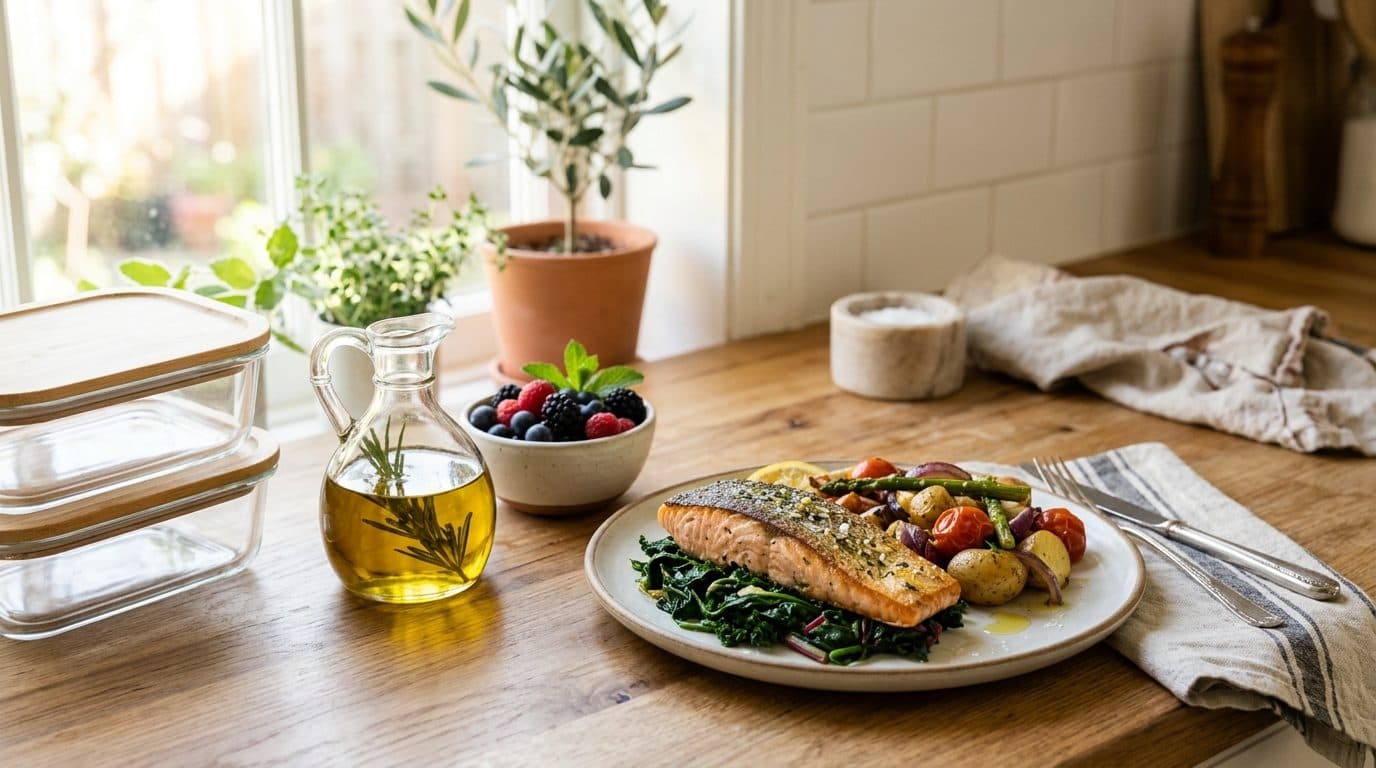
Optimizing fertility isn't just about timing—it's about what you eat and what you encounter every day. At BYTEMD, we understand how nutrition and environmental exposures deeply influence reproductive health. This blog will empower you with science-backed strategies, spotlighting how you can enhance fertility naturally and minimize risks.
Why Fertility Matters: From Conception to Family Planning
Fertility isn't just about pregnancy—it's a window into your overall health. Imbalances in reproductive hormones can signal metabolic or nutritional issues. Starting healthy habits now can support not only conception but long-term wellness as well.
Nutrition's Role in Fertility: What You Need to Know
Macronutrients: Balanced Diet for Reproductive Health
A blend of lean proteins, healthy fats, and complex carbs sets the stage. Proteins support hormone production, omega-rich fats reduce inflammation, and whole-grain carbs sustain blood sugar balance—all critical for healthy ovulation and sperm quality.
Micronutrients: Vitamins & Minerals That Matter
Specific nutrients can tip the scales in your favor:
- Folate supports early fetal development.
- Vitamin D regulates reproductive hormones.
- Iron & Zinc boost egg and sperm health.
- Antioxidants (vitamins C & E, selenium) protect reproductive cells from damage.
Research Spotlight: Mediterranean Diet & Male Fertility
A 2024 systematic review published in Frontiers in Nutrition (Piera-Jordan et al., 2024) revealed that adherence to the Mediterranean diet—rich in fruits, vegetables, legumes, whole grains, nuts, olive oil, and lean proteins—correlates strongly with improved sperm quality.
The analysis found:
- 60% of studies reported better semen parameters, such as sperm concentration and motility.
- Antioxidant-rich foods in the Mediterranean diet help combat oxidative stress—a major contributor to poor fertility outcomes.
- Even when not strictly followed, diets mimicking Mediterranean principles offered benefits through phytochemicals and healthy fats.
These findings support the approach we take at BYTEMD: real food, personalized plans, and nutrient synergy, rather than relying solely on supplements.
Environmental Exposures Disrupting Hormones
Modern life brings unseen challenges, like endocrine disruptors found in everyday products.
Chemicals in Everyday Products
BPA, phthalates, parabens, and PFOAs mimic or block hormones—impacting menstrual cycles, sperm count, and embryo development.
Air and Water Pollutants
Heavy metals (lead, mercury) and smog particles can accumulate in the reproductive system and reduce fertility over time.
How Nutrition and Toxin Exposure Interact
Detox Mechanisms: Antioxidants to the Rescue
Your body's detox pathways—especially in the liver and gut—rely on antioxidants and fiber to remove pollutants. Consuming cruciferous veggies, berries, turmeric, and leafy greens empowers your systems to flush out toxins more effectively.
Reducing Toxic Load with Food Choices
Simple swaps make a difference—choose organic produce, wild-caught fish, and filtered water. Foods that support liver enzymes can help you neutralize and excrete harmful chemicals.
Lifestyle Adjustments Backed by Science
Fertility thrives when sleep, stress management, and physical activity are in sync:
- Sleep promotes hormonal balance.
- Stress raises cortisol, which can hinder reproductive hormones.
- Movement, especially low-impact exercise, improves circulation to reproductive organs.
BYTEMD Tip: Track Your Fertility Journey
Log your meals in ByteMD to see how closely you follow Mediterranean-style eating. Small, consistent changes in nutrition and lifestyle can make a significant impact on your reproductive health over time.
Practical Steps to Get Started
Nutrition Changes
- Add 2-3 servings of colorful vegetables daily
- Include omega-3 rich foods (fish, walnuts, flax)
- Choose whole grains over refined carbs
- Limit processed foods and added sugars
Environmental Protection
- Use glass containers instead of plastic
- Choose organic when possible
- Filter your drinking water
- Read labels on personal care products
Conclusion & Call to Action
Science clearly shows that dietary patterns—especially the Mediterranean diet—can improve reproductive outcomes. Pairing that with reduced toxin exposure and smart lifestyle habits gives your fertility the best chance.