Hormone Health · Nov 11, 2026
Unlock the Mediterranean Secret to Prostate Health & Better Sex (Top 10 Foods Revealed)
Discover how the Mediterranean diet can boost prostate health and sexual wellness. Learn which foods to eat, what to limit, and how lifestyle changes support better outcomes.
By Michelle Pearlman, MD, Gastroenterologist & ByteMD co-founder
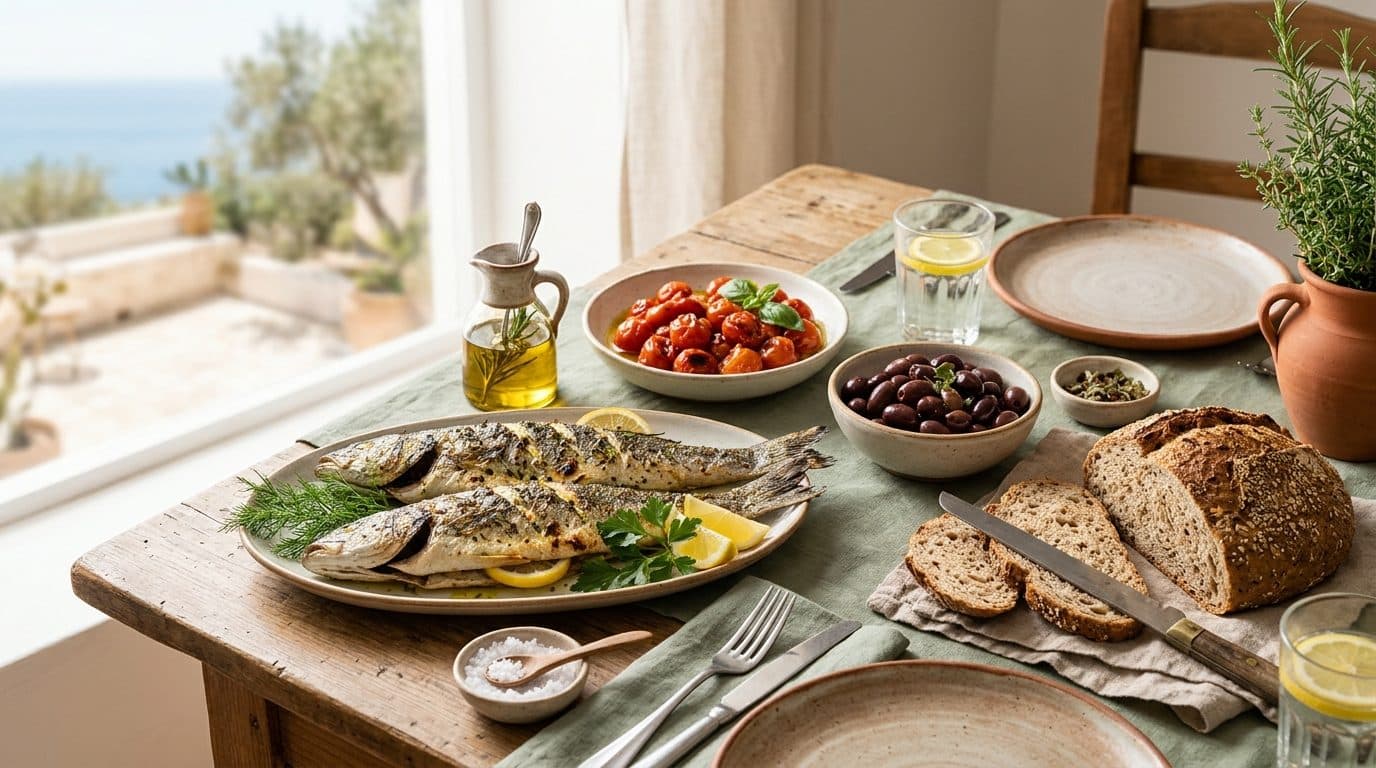
The Mediterranean Diet's Hidden Superpower
When most people think of the Mediterranean diet, they picture long, sunny meals with fresh vegetables, olive oil, and seafood. But did you know that this ancient way of eating is one of the best-kept secrets for protecting prostate health and enhancing sexual performance?
In this article, we'll explore how a Mediterranean-style diet helps lower the risk of prostate cancer, boosts nitric oxide (key to erections), and supports total body wellness. You'll also discover the foods to eat and the habits to track for lasting results.
A Plant-Forward Lifestyle for Better Health
At its core, the Mediterranean diet is about abundance—not restriction. Meals are rich in vegetables, fruits, whole grains, legumes, and healthy fats. These components help fight inflammation, regulate hormones, and promote blood flow, all of which support prostate and sexual health.
Core Elements Include:
- Vegetables and fruits
- Legumes and beans
- Whole grains
- Olive oil and nuts
- Fresh herbs and spices
- Minimal red meat
Super Veggies for Prostate Protection
Vegetables and fruits should make up a large portion of your meals—aim for 2 to 3 servings daily of each. Focus on:
Cruciferous Vegetables
Known for detoxifying enzymes and cancer-fighting compounds:
- Broccoli
- Brussels sprouts
- Cabbage
- Cauliflower
- Bok choy
Lycopene-Rich Fruits
Linked to reduced prostate cancer risk:
- Tomatoes
- Watermelon
- Guava
Allium Vegetables
Packed with antioxidants and sulfur-based compounds:
- Garlic
- Onions
- Shallots
- Leeks
Fats that Heal: Omega-3s and Healthy Oils
Fats are not the enemy—in the Mediterranean diet, they're medicine. Healthy fats reduce inflammation and improve blood flow, both essential for prostate and erectile health.
Eat 2 servings of Omega-3-rich fish per week:
- Salmon
- Sardines
- Herring
- Black cod
- Trout
- Oysters
- Tuna
Other healthy fats:
- Seeds: Flax, chia, hemp, pumpkin
- Oils: Extra virgin olive oil, avocado oil
- Nuts: Walnuts, almonds, macadamia, pistachios, pecans
Limit: Saturated fats (animal fats, butter), trans fats, processed vegetable oils (corn, safflower, sunflower)
Lean, Clean Protein Sources
Protein supports muscle health, hormone regulation, and immune strength. In the Mediterranean diet, red meat is minimized and replaced with lean, plant-based, or seafood sources.
Choose:
- Fish and seafood
- Chicken breast
- Egg whites
- Plant proteins: Beans, lentils, chickpeas, tofu, edamame, quinoa, chia and hemp seeds
- Green vegetables
- Dairy: Low-fat Greek yogurt, cottage cheese, soy or almond milk (unsweetened)
Limit:
- Red meat
- Fried proteins
- Heavy sauces and marinades
- Flavored yogurts
Calcium & Vitamin D: Critical Micronutrients
These nutrients support bone density, hormone production, and cancer prevention.
Calcium-rich options (1200 mg/day):
- Leafy greens (spinach, kale)
- Fortified non-dairy milk (almond, pea, flax)
- Salmon with bones
- Low-fat dairy products
Vitamin D (800 IU/day):
- Moderate sunlight exposure
- Fatty fish
- Fortified plant milks (e.g., soy)
Hydrate Like a Mediterranean
Best drinks include:
- Water with herbs/fruit
- Herbal teas (e.g., chamomile, mint)
- Green or black tea
- Coffee (in moderation)
Avoid:
- Sugary sodas
- Artificially sweetened beverages
- Alcohol (especially in excess)
Daily Movement: The Mediterranean Way
It's not just about food—Mediterranean living includes active lifestyles. This keeps your metabolism high, your heart healthy, and your hormone levels stable.
Goals:
- 30+ minutes daily movement
- 3 hours/week of vigorous activity
- Weight-bearing exercise (like walking, resistance bands)
FAQs About the Mediterranean Diet and Prostate Health
1. Can the Mediterranean diet reverse prostate issues?
It may not reverse all conditions, but it significantly lowers risk and improves outcomes, especially when started early.
2. Is cheese or dairy part of the diet?
Yes, in moderation. Focus on low-fat, plain options like Greek yogurt or small amounts of feta.
3. Can I still eat meat occasionally?
Yes—limit red meat to once a week. Fish or plant proteins are preferred.
4. Does this help with erectile dysfunction (ED)?
Yes. The anti-inflammatory foods help protect nitric oxide, key to erectile function.
5. Do I need supplements with this diet?
Often no, but check Vitamin D and calcium levels with your doctor.
6. What if I'm vegetarian?
This diet easily adapts to vegetarian eating—just boost legumes and whole grains for protein.
The Sexual Health Connection
Poor circulation, inflammation, and hormone imbalances are common causes of ED—and all are influenced by what you eat.
Key Nutrients That Help:
- Vitamin C (oranges, strawberries, bell peppers)
- Vitamin E (nuts, seeds, avocado)
- Omega-3s (fish, flax, chia)
What to Avoid:
Avoiding processed foods, red meat, and sugars helps reduce nitric oxide breakdown, which is critical for erections.