Hormone Health · Nov 11, 2026
Gut Health and Phytoestrogen Efficacy
Discover how your gut microbiome activates plant-based phytoestrogens, boosting their benefits for menopause and hormone balance. Learn which foods and dietary habits support this process for optimal health.
By Michelle Pearlman, MD, Gastroenterologist & ByteMD co-founder
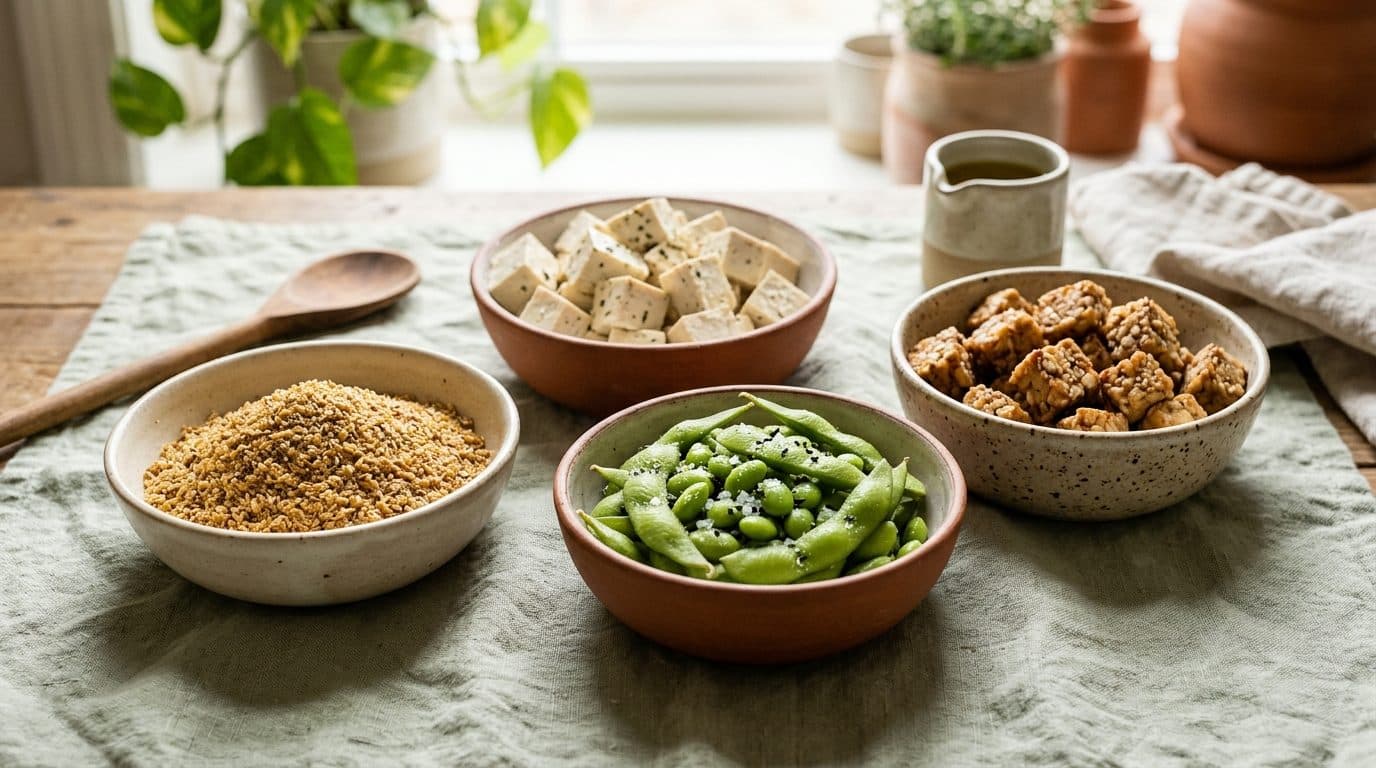
A fascinating aspect of phytoestrogen metabolism lies in the gut microbiome. These plant compounds are not always active in their original dietary form—they often require bacterial conversion into more potent metabolites.
Role of Gut Microbiota in Bioactivation
The intestinal microbiota transforms isoflavones and lignans into equol and enterolignans, respectively. These metabolites are more biologically active, with stronger estrogenic and antioxidant effects. Without this microbial processing, phytoestrogens may exert weaker benefits.
Equol Producers vs. Non-Producers
Only 30–50% of individuals harbor the gut bacteria necessary to produce equol from soy isoflavones. Women who are equol producers tend to experience greater symptom relief from soy-based interventions than non-producers.
Menopause-Induced Changes in the Microbiome
Declining estrogen levels during menopause can shift gut microbial composition, reducing microbial diversity and increasing inflammation. This, in turn, may impair phytoestrogen metabolism, making dietary strategies that support gut health especially important for menopausal women.
Dietary Sources of Phytoestrogens
Integrating phytoestrogen-rich foods into daily meals is a safe, natural way to harness their benefits.
Soy Foods: Tofu, Tempeh, Soy Milk
Soy is the richest source of isoflavones. Fermented soy products like tempeh and miso may be more effective since fermentation enhances isoflavone bioavailability.
Flaxseeds, Sesame, and Whole Grains
Just two tablespoons of ground flaxseed daily provide a potent dose of lignans, supporting hormone balance and cardiovascular health. Sesame seeds and whole grains also contribute to lignan intake.
Legumes, Lentils, and Chickpeas
These foods supply moderate amounts of phytoestrogens along with dietary fiber, which promotes a healthy gut microbiome—enhancing phytoestrogen activation.
Enhancing Phytoestrogen Benefits Through Diet
Fiber-Rich Diet and Microbiome Diversity
A fiber-rich diet with fruits, vegetables, and whole grains nurtures beneficial gut bacteria. This creates an internal environment where phytoestrogens can be converted into their active forms.
Probiotic and Prebiotic Synergy
Probiotics such as Lactobacillus and Bifidobacterium strains may enhance equol production and improve gut balance. Prebiotics—fiber-rich foods that feed good bacteria—work synergistically to boost phytoestrogen metabolism.
Plant-Based Dietary Patterns
Plant-forward diets, such as the Mediterranean or vegetarian diet, are naturally rich in phytoestrogens, antioxidants, and anti-inflammatory compounds, making them ideal for perimenopausal and menopausal women.
Safety and Risks of Phytoestrogens
Breast Cancer Risk and Hormone-Sensitive Conditions
Contrary to early concerns, large-scale studies show that phytoestrogens do not increase breast cancer risk and may even offer protective effects in postmenopausal women. However, women with active estrogen-dependent cancers should consult their doctor before supplementation.
Endometrial Safety and Fertility Considerations
Long-term use of phytoestrogens has not been linked to increased endometrial hyperplasia or fertility complications. Their weaker estrogenic activity makes them generally safe for most women.
Interactions with Medications
Women taking thyroid medication, anticoagulants, or HRT should exercise caution, as phytoestrogens may subtly interact with these drugs. Medical guidance is recommended before combining therapies.
Clinical Evidence and Research Findings
Meta-Analyses on Vasomotor Symptoms
Systematic reviews show a 20–40% reduction in hot flashes and night sweats among women consuming soy isoflavones compared to placebo.
Systematic Reviews on Bone and Cardiovascular Health
While benefits for bone density and cardiovascular markers exist, they are modest and slow to develop, usually requiring consistent intake for 6–12 months.
Long-Term Safety Data and Limitations
Although phytoestrogens appear safe, most clinical trials are short to medium-term (≤5 years). Long-term studies are still needed to confirm their effects on cancer risk, cardiovascular outcomes, and cognitive health.
Practical Guidelines for Use
Recommended Daily Intake
Typical effective doses:
- Isoflavones: 40–80 mg/day (≈2 servings of soy foods)
- Lignans: 25–50 mg/day (≈1–2 tablespoons of ground flaxseed)
Food vs. Supplements
Whole foods are preferred over supplements, as they provide additional nutrients, fiber, and beneficial compounds. Supplements may be useful for women with low dietary intake or specific therapeutic needs.
Who Should Consider Phytoestrogens?
Phytoestrogens may be especially beneficial for:
- Women with mild to moderate menopausal symptoms
- Those who prefer a natural alternative to HRT
- Individuals at risk of osteoporosis or cardiovascular disease
Frequently Asked Questions (FAQs)
1. Do phytoestrogens really help with hot flashes?
Yes. Clinical studies show they can reduce hot flash frequency and severity by up to 40%, though results vary by individual.
2. Are phytoestrogens safe for women with a history of breast cancer?
Current evidence suggests phytoestrogens are safe and may even reduce recurrence risk, but women with hormone-sensitive cancers should consult their doctor.
3. How long does it take to see results from phytoestrogens?
It usually takes 8–12 weeks of consistent intake to notice improvements in vasomotor symptoms.
4. Can men take phytoestrogens?
Yes, in moderate amounts. Some studies suggest benefits for cardiovascular health and prostate protection, but excessive intake is not recommended.
5. Do probiotics enhance phytoestrogen effects?
Yes. Probiotics may improve the conversion of isoflavones into equol, making them more effective.
6. Should I take phytoestrogen supplements or just eat the foods?
Whole foods are the best source, but supplements may help if dietary intake is insufficient.
Conclusion
Phytoestrogens offer a safe, natural, and moderately effective option for managing menopausal symptoms such as hot flashes, night sweats, and vaginal dryness. They may also support bone, cardiovascular, and gut health when consumed regularly as part of a balanced diet.
However, their effectiveness depends on individual factors—especially the gut microbiome’s ability to bioactivate phytoestrogens into more potent metabolites. Women who maintain a fiber-rich, plant-based diet and support their gut microbiome with probiotics are more likely to experience significant benefits.
While not a replacement for hormone replacement therapy, phytoestrogens can serve as a valuable adjunct in holistic menopause care, offering gentle symptom relief and long-term wellness support.
For further information, you may explore the North American Menopause Society’s guidelines on dietary interventions for menopausal health.