Hormone Health · Nov 11, 2026
New Study Reveals Plant-Based Diet Cuts Lethal Prostate Cancer Risk by 44% in Men Under 65
A major study finds plant-based diets can slash lethal prostate cancer risk in men under 65. Learn how early dietary changes may offer powerful protection.
By Michelle Pearlman, MD, Gastroenterologist & ByteMD co-founder
Introduction: Diet as a Defense Against Prostate Cancer
What if your daily food choices could reduce your risk of dying from prostate cancer? According to a major prospective cohort study published in the American Journal of Clinical Nutrition, that's not just possible—it's supported by decades of research.
The study followed 47,239 men over nearly 30 years and uncovered powerful evidence that plant-based diets can significantly lower the risk of aggressive and fatal prostate cancer, especially for men under age 65.
Study Overview: A Landmark in Nutritional Research
Design & Population
- Conducted as part of the Health Professionals Follow-Up Study
- Duration: 1986–2014 (28 years)
- Participants: 47,239 U.S. male health professionals
- Dietary intake assessed via food frequency questionnaires
- Researchers developed plant-based diet indices to quantify eating habits
Outcomes Tracked
- 6,655 total prostate cancer diagnoses
- 515 advanced-stage cases
- 956 lethal cases
- 806 prostate cancer-related deaths
Key Findings: The Plant-Based Advantage
1. 19% Lower Risk of Fatal Prostate Cancer
Men who consumed more overall plant-based foods saw a 19% reduction in the risk of dying from prostate cancer.
2. Strongest Benefits in Men Under 65
- 16% lower risk of total prostate cancer
- 44% lower risk of lethal prostate cancer
- Benefits were not observed in men over 65
3. Healthier Plant-Based Diets = Stronger Protection
Not all plant-based diets are equal. Diets rich in whole grains, vegetables, legumes, and fruits offered the greatest protection. Unhealthful plant-based foods (e.g., refined grains, added sugars) did not provide the same benefit.
Why Age Matters: Early Adoption Makes a Difference
The results strongly suggest that starting a plant-based diet earlier in life yields the most powerful protection. Biological differences—such as inflammation, hormone activity, and metabolic flexibility—may explain why younger men benefit more.
This research underlines the importance of early dietary changes for cancer prevention.
Clinical Implications: A New Strategy for Cancer Prevention
- Early dietary intervention may reduce the risk of aggressive prostate cancer
- Healthful plant-based diets could become a key recommendation in preventive care for men under 65
- These findings support broader adoption of Mediterranean or vegetarian-style eating patterns, which are rich in anti-inflammatory and antioxidant foods
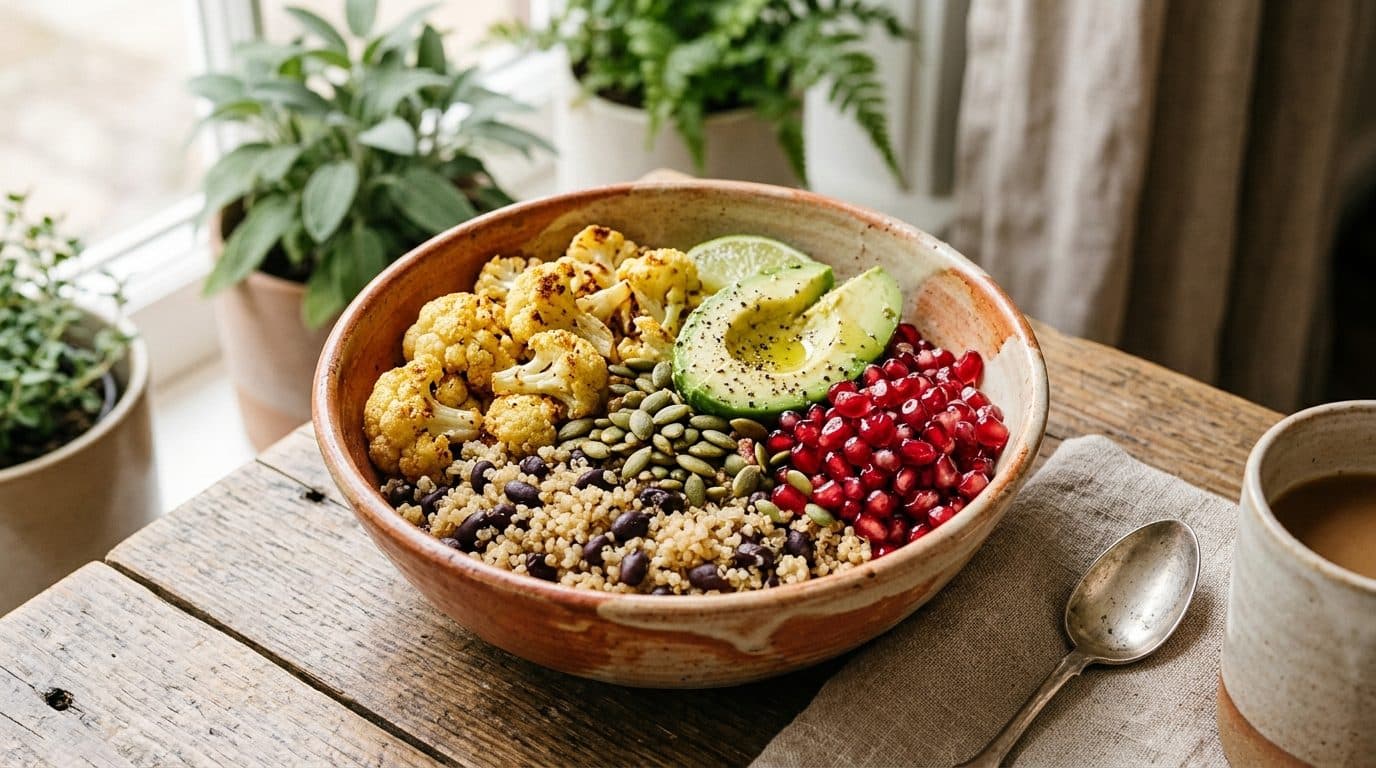
How to Build a Protective Plant-Based Plate
Focus on:
- Cruciferous vegetables (broccoli, cauliflower)
- Lycopene-rich foods (tomatoes, watermelon)
- Legumes and beans
- Whole grains (quinoa, brown rice)
- Nuts and seeds (chia, flax, almonds)
- Healthy oils (olive, avocado)
Limit:
- Red and processed meats
- Refined carbs and added sugars
- High-fat dairy and fried foods
FAQs: Plant-Based Diets & Prostate Cancer
1. Do I have to go 100% vegan?
No. Even partial adoption—like the Mediterranean diet—offers significant benefits.
2. What makes a plant-based diet "healthful"?
Whole, unprocessed plants: fruits, veggies, whole grains, legumes, and nuts.
3. Why doesn't the diet help men over 65?
Older bodies may respond differently due to inflammation or hormone changes. More research is needed.
4. What about protein?
Plant proteins like tofu, beans, and lentils are excellent. You don't need meat to get enough protein.
5. How soon will I see benefits?
Long-term commitment offers the most protection, but energy and inflammation improvements can appear within weeks.