Gut Health · Jun 25, 2025
Not All Dairy Is Created Equal: How to Choose Smarter for Gut Health
Explore the differences between dairy products, from lactose content and fermentation to added sugars and ingredients.
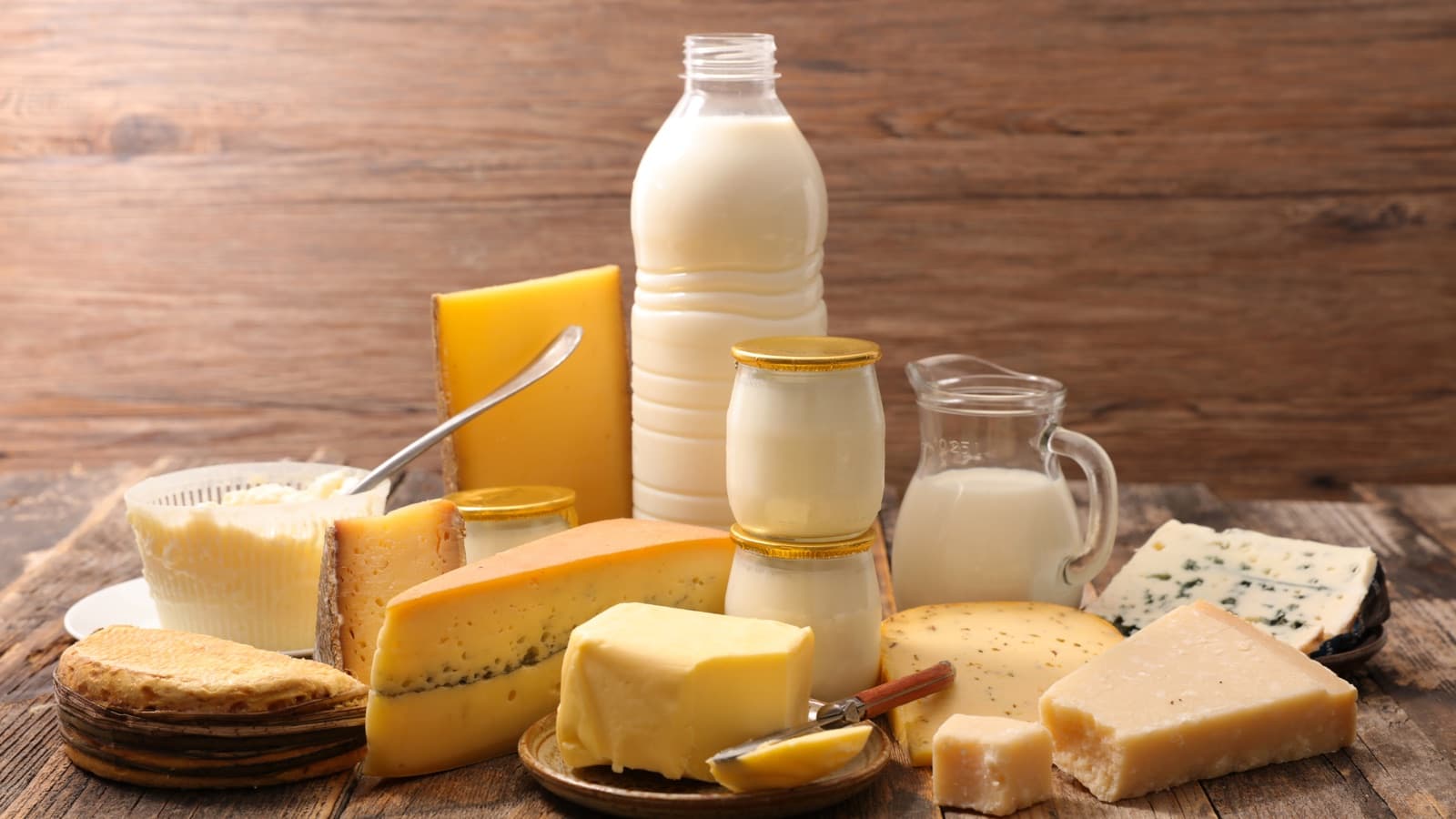
Dairy often gets lumped into one big food group, but not all dairy products are created equal. Some are high in lactose, some are gut-friendly with probiotics, and others are highly processed with added sugars or chemical fillers.
If you experience bloating, gas, or digestive upset after eating dairy—or simply want to make better choices for your gut—this guide breaks down which types to choose and which to skip.
🧬 What's the Deal with Lactose?
Lactose is a natural sugar found in milk. To digest it, your body needs an enzyme called lactase. If your body doesn’t make enough lactase, lactose passes into the colon undigested, where it causes:
- Bloating
- Gas
- Diarrhea
- Cramping
This condition is called lactose intolerance, and it’s very common, especially among adults of non-European descent.
🧾 High-Lactose Dairy Products to Limit or Avoid
Food | Approx. Lactose Content per Serving |
|---|---|
Whole milk (1 cup) | ~12 grams |
Skim milk (1 cup) | ~12 grams |
Ice cream (½ cup) | ~6 grams |
Condensed milk (2 tbsp) | ~5 grams |
Cream cheese (1 oz) | ~1 gram |
These can be especially troublesome for people with lactose intolerance.
🥣 Gut-Friendly Dairy: Rich in Protein and Probiotics
Some dairy products are naturally lower in lactose and also support gut health with beneficial bacteria:
Food | Benefits |
|---|---|
Greek yogurt | High protein, live cultures, lower lactose |
Kefir | Fermented, probiotic-rich, easy to digest |
Aged cheeses (e.g., cheddar, parmesan) | Low in lactose, high in calcium |
Skyr (Icelandic yogurt) | High protein, low sugar |
Cottage cheese (lactose-free) | High in casein protein, low lactose |
These are great choices for people who are lactose-sensitive but not allergic and want the benefits of probiotics and protein.
⚠️ Dairy to Avoid: Added Sugars & Processing Agents
Some “dairy” products are loaded with added sugars, stabilizers, and anti-caking agents, which can worsen gut symptoms or reduce nutritional value.
Avoid These | Why to Avoid |
|---|---|
Flavored yogurts | Often have >15g added sugar per serving |
Processed cheese slices/spreads | Contain emulsifiers, anti-caking agents |
Milkshakes or flavored milk | High in sugar, little nutritional value |
Spray cheese or cheese powders | Highly processed, artificial ingredients |
Check the ingredient list. If it’s more than just milk, cultures, and salt, be cautious.
📝 Call to Action: Track Your Dairy Tolerance
Use BYTEMD to keep a daily log of:
- Which dairy foods you eat
- How you feel after (energy, digestion, mood)
- Symptoms like bloating or gas
- Brands or ingredients that work or don’t
Sample Entry:
## June 10, 2025
Breakfast: Oatmeal with almond milk
Snack: Cottage cheese (lactose-free)
Dinner: Pizza with mozzarella
Symptoms: Mild bloating 1 hour after dinner
BM: Type 4, normal
Note: Tolerated cottage cheese well
Over time, you’ll know which types of dairy are your allies—and which are worth skipping.
✅ Smart Dairy Shopping Checklist
✅ Do Choose:
- ✅ Unsweetened yogurt with live cultures
- ✅ Aged or lactose-free cheeses
- ✅ Plain kefir and flavor it naturally
❌ Avoid:
- ❌ Processed cheese products
- ❌ Dairy with long, chemical-heavy ingredient lists
❌ Hidden sugars in flavored milks
💬 Final Thoughts
Dairy isn’t inherently “good” or “bad”—but quality does matter. Stick to fermented, minimally processed, and low-lactose dairy options to support better digestion and long-term gut health.
📝 Use BYTEMD to track your dairy intake and symptoms. It’s a powerful tool to find what fuels your body best.