Gut Health · Nov 11, 2026
What is Diverticulitis? A Practical Guide to Prevention and Gut Health
Diverticulitis is common but preventable. Learn how fiber, hydration, and exercise can lower your risk and support gut health.
By Michelle Pearlman, MD, Gastroenterologist & ByteMD co-founder
Understanding Diverticulitis: A Common Yet Preventable Condition
Diverticulitis affects millions of people worldwide, yet many don't understand what it is until they experience it firsthand. This condition represents one of the most common digestive disorders in developed countries, with rates increasing dramatically over the past several decades.
Understanding diverticulitis, its causes, and most importantly, how to prevent it, can save you from significant discomfort and potential complications down the road.
What is Diverticulitis?
To understand diverticulitis, we first need to understand diverticulosis. Diverticulosis occurs when small pouches (diverticula) form in the walls of the colon. These pouches are like tiny balloons that push outward through weak spots in the intestinal wall.
Diverticulosis vs. Diverticulitis
- Diverticulosis: The presence of diverticula (usually asymptomatic)
- Diverticulitis: Inflammation or infection of these pouches
- Diverticular disease: Symptoms related to diverticula without inflammation
Most people with diverticulosis never develop diverticulitis. However, when inflammation does occur, it can range from mild discomfort to a serious medical emergency requiring immediate treatment.
Who's at Risk?
Age and Demographics
- Most common in people over 40
- Affects up to 60% of people over 60
- More common in Western countries
- Rates increasing in younger populations
Lifestyle Risk Factors
- Low-fiber diet
- Sedentary lifestyle
- Obesity
- Smoking
- Excessive alcohol consumption
- Regular use of NSAIDs
Recognizing the Symptoms
Acute Diverticulitis Symptoms
- Sudden onset of abdominal pain (usually left side)
- Fever and chills
- Nausea and vomiting
- Changes in bowel habits
- Abdominal tenderness
- Bloating and gas
When to Seek Emergency Care
Contact emergency services immediately if you experience:
- Severe abdominal pain
- High fever (over 101°F)
- Persistent vomiting
- Signs of dehydration
- Blood in stool
- Inability to pass gas or have bowel movements
The Root Causes: Why Does Diverticulitis Develop?
The Western Diet Connection
The dramatic increase in diverticular disease correlates strongly with the adoption of Western dietary patterns:
- Highly processed foods
- Low fiber intake (average 15g vs. recommended 25-35g daily)
- High consumption of red meat
- Limited fruits and vegetables
Mechanical Factors
Several mechanical factors contribute to diverticula formation:
- Increased intracolonic pressure from straining
- Weakened intestinal wall with age
- Abnormal colonic motility
- Chronic constipation
Evidence-Based Prevention Strategies
Fiber: Your Best Defense
High-fiber diets are the cornerstone of diverticulitis prevention. Fiber helps by:
- Increasing stool bulk and softness
- Reducing transit time through the colon
- Decreasing intracolonic pressure
- Promoting healthy gut bacteria
Best Fiber Sources
- Soluble fiber: Oats, beans, apples, citrus fruits
- Insoluble fiber: Whole grains, vegetables, nuts
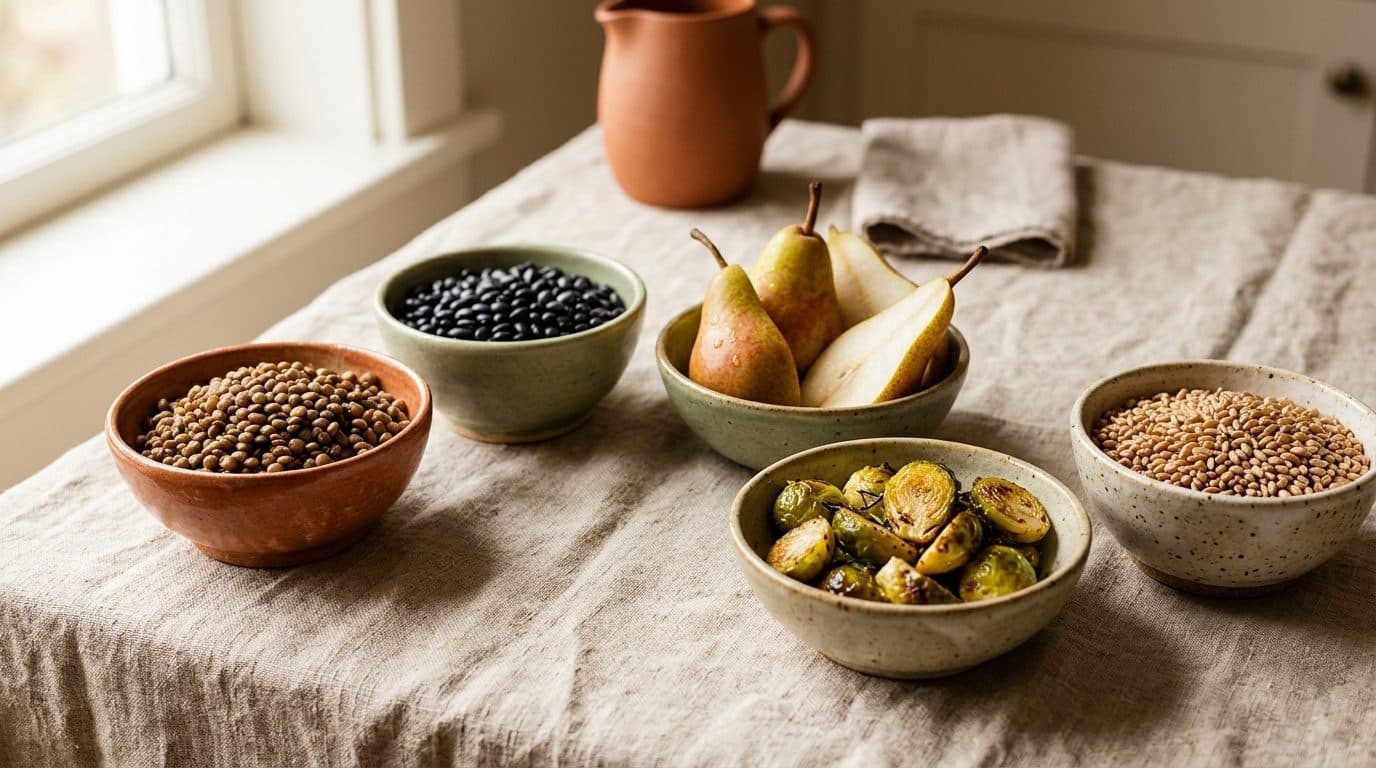
- Mixed sources: Berries, pears, Brussels sprouts
Hydration: The Often-Forgotten Factor
Adequate hydration is crucial for fiber to work effectively:
- Aim for 8-10 glasses of water daily
- Increase water intake when increasing fiber
- Monitor urine color (pale yellow indicates good hydration)
- Limit dehydrating beverages (alcohol, excessive caffeine)
Exercise: Movement for Gut Health
Regular physical activity prevents diverticulitis by:
- Improving bowel motility
- Reducing inflammation
- Supporting healthy weight
- Decreasing intraabdominal pressure
Recommended Activities
- Brisk walking (30 minutes, 5 days/week)
- Swimming
- Yoga and stretching
- Cycling
- Resistance training (moderate intensity)
Dietary Myths and Facts
The Seed and Nut Controversy
For decades, doctors advised avoiding seeds, nuts, and popcorn, believing they could lodge in diverticula and cause inflammation. Current research shows:
- No evidence that seeds or nuts increase diverticulitis risk
- These foods may actually be protective due to their fiber content
- The restriction was based on theory, not evidence
Foods to Emphasize
- Fruits and vegetables (with skins when possible)
- Whole grains and legumes
- Nuts and seeds
- Lean proteins
- Probiotic-rich foods
Foods to Limit
- Processed meats
- Refined grains
- Fried foods
- Excessive red meat
- Sugary snacks and beverages
How BYTEMD Supports Diverticulitis Prevention
Technology can play a powerful role in preventing diverticulitis. BYTEMD offers several features that support gut health:
Fiber Tracking
- Monitor daily fiber intake
- Get personalized fiber goals
- Receive suggestions for high-fiber foods
- Track progress over time
Symptom Monitoring
- Log digestive symptoms
- Identify dietary triggers
- Track bowel movement patterns
- Monitor hydration levels
Treatment and Management
Acute Episode Management
Treatment depends on severity:
- Mild cases: Clear liquid diet, oral antibiotics, rest
- Moderate cases: Hospital observation, IV antibiotics
- Severe cases: Surgery may be required
Long-term Management
- Gradual return to high-fiber diet
- Regular exercise
- Stress management
- Avoiding trigger foods (if identified)
- Regular follow-up with healthcare providers
The Prevention Success Story
The good news about diverticulitis is that it's largely preventable. Countries with traditional high-fiber diets have dramatically lower rates of diverticular disease, proving that lifestyle choices make a significant difference.
By adopting a high-fiber diet, staying hydrated, exercising regularly, and maintaining a healthy weight, you can significantly reduce your risk of developing this condition.
Looking Forward: A Gut-Healthy Future
As our understanding of the gut microbiome and digestive health continues to evolve, we're learning that preventing diverticulitis is part of a larger picture of optimal digestive wellness. The same lifestyle choices that prevent diverticulitis also reduce the risk of colorectal cancer, improve heart health, support mental well-being, and enhance overall quality of life.
Start today with small, sustainable changes. Your gut - and your future self - will thank you for the investment in digestive health.