Gut Health · Nov 11, 2026
Seed Oils: Controversy, Cooking Tips & What the Data Really Shows
Are seed oils really toxic, or is the controversy overblown? Get the science, cooking tips, and learn how to choose oils wisely for your kitchen.
By Michelle Pearlman, MD, Gastroenterologist & ByteMD co-founder
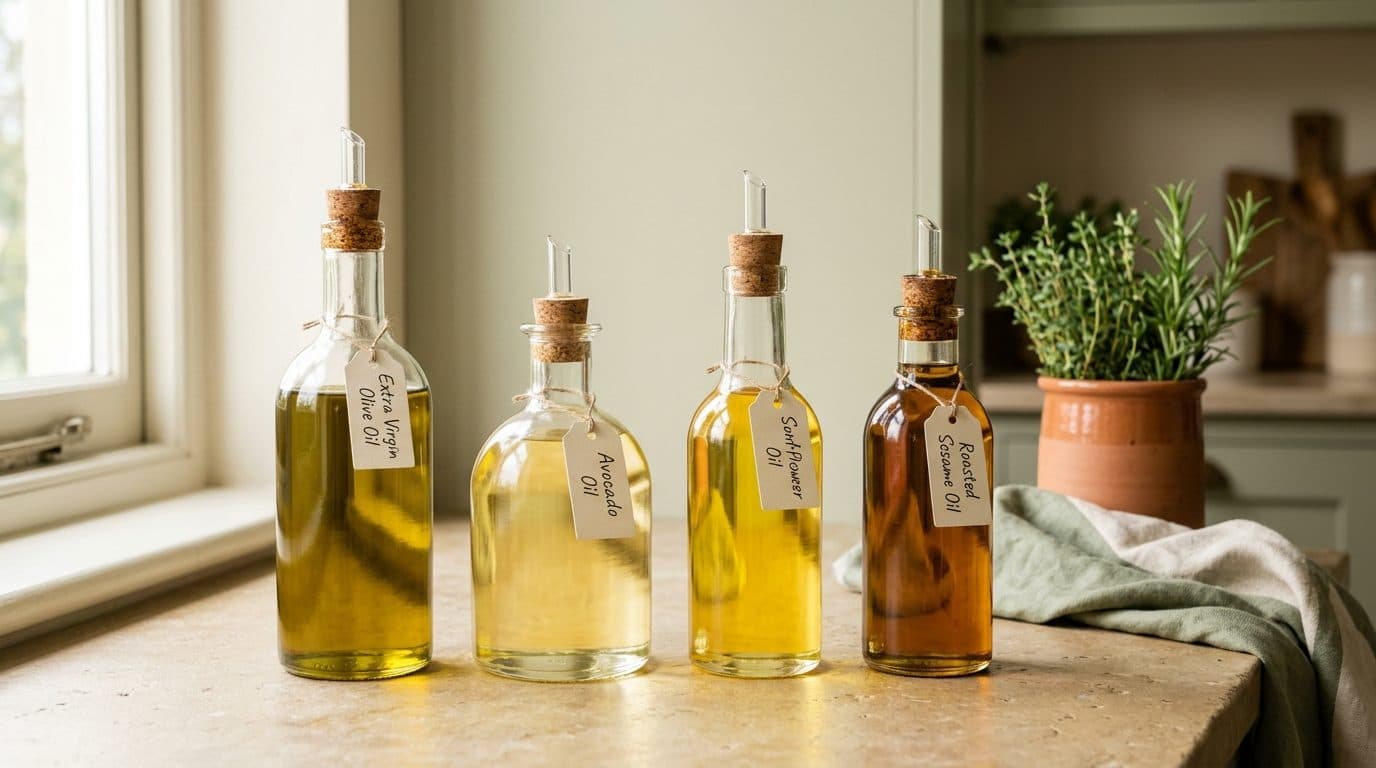
From fitness influencers to food blogs, seed oils like canola, soybean, and sunflower oil are caught in the crossfire of dietary debate. Some claim they're toxic and inflammatory, while others say they're neutral or even heart-healthy.
So—what's true? Let's dive into the science, clear the confusion, and offer practical tips on how to use oils the right way in your kitchen.
What Are Seed Oils?
Seed oils are vegetable oils extracted from seeds using mechanical pressing or solvent extraction.
Common Seed Oils:
- Canola (rapeseed)
- Soybean
- Sunflower
- Safflower
- Corn
- Cottonseed
- Grapeseed
These are rich in omega-6 polyunsaturated fatty acids (PUFAs), especially linoleic acid.
Why the Controversy?
The concern over seed oils largely revolves around three issues:
1. Omega-6 Inflammatory Theory
- Omega-6 fatty acids can convert to arachidonic acid, a precursor to inflammatory molecules.
- Some argue modern diets contain too much omega-6 and too little omega-3 (found in fish/flax/chia).
However, studies show normal intake levels of linoleic acid do not significantly increase inflammation in healthy individuals.
Clinical review: "No consistent evidence that higher dietary linoleic acid intake increases markers of inflammation in healthy people." — American Journal of Clinical Nutrition, 2009
2. Oxidation & Heating Issues
- PUFAs are less stable at high heat, prone to oxidation
- Oxidized fats may promote oxidative stress in the body
However, many seed oils used commercially are refined, improving heat stability, and rarely reach harmful breakdown levels during typical cooking.
3. Guilt by Association: Ultra-Processed Foods
The real problem may not be seed oils alone—but where they're used. Seed oils are a staple in:
- Packaged snacks
- Frozen dinners
- Commercial baked goods
- Fast food
- Salad dressings and sauces
These foods are typically high in salt, sugar, and additives, and low in fiber or nutrients—which may drive inflammation, not just the oil itself.
Which Oils Should You Cook With?
Here's a breakdown of common oils, their smoke points, and best uses:
| Oil | Smoke Point | Best Use |
|---|---|---|
| Avocado Oil | 520°F | High-heat cooking, frying, grilling |
| Refined Olive Oil | 465°F | Roasting, sautéing |
| Extra Virgin Olive Oil (EVOO) | 375°F | Dressings, low-heat sautés |
| Canola Oil | 400°F | Baking, roasting, neutral flavor |
| Sunflower Oil | 440°F | High-heat, stir-fry |
| Ghee or Clarified Butter | 485°F | Frying, Indian cuisine |
| Butter (Regular) | 350°F | Low-heat cooking, flavoring |
| Coconut Oil | 350°F | Baking, tropical recipes |
| Sesame Oil | 410°F | Asian stir-fries (toasted = finishing oil) |
Avoid reusing oils at high heat multiple times. It increases oxidative byproducts.
Choosing Oils by Cuisine
| Cuisine | Preferred Oils |
|---|---|
| Mediterranean | Extra virgin olive oil, refined olive oil |
| Indian | Ghee, mustard oil (region-specific) |
| Asian (Stir-fry) | Peanut oil, sesame oil, sunflower oil |
| American Baking | Canola, butter, avocado oil |
| Paleo/Keto | Coconut, avocado, ghee |
Final Thoughts: Is the Hate Warranted?
- Seed oils are not inherently toxic.
- Their overuse in ultra-processed foods is more problematic than moderate, home-kitchen use.
- Cooking with oils like olive, avocado, or ghee provides flavor and function, with better stability.
Focus on whole food patterns, not single ingredients in isolation.
Track Your Oil Use in BYTEMD
Want to assess how oils affect your digestion, energy, or inflammation symptoms? Log your cooking and symptoms like this:
June 10, 2025
- Lunch: Roasted veggies w/ olive oil
- Dinner: Stir-fry with sunflower oil
- Symptoms: Mild bloating after dinner; energy stable all day
- Notes: First time using sunflower oil this week